Back to home
INTERNATIONAL9 July 2026
Sharp Decline in Oil and Gas Shipping Through the Strait of Hormuz After Fresh Strikes
Satellite data show a 35 % drop in daily ship traffic through the Strait of Hormuz after a fresh wave of missile and drone strikes, as oil and gas carriers avoid the US‑backed route. The decline raises concerns over energy supply chains, rising transport costs, and regional economic stability.
La
La Rédaction
The Vertex
5 min read
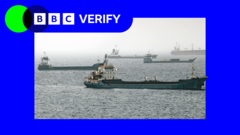
Source: www.bbc.co.uk
The latest wave of missile and drone strikes on the Strait of Hormuz has triggered an unprecedented dip in maritime traffic, with oil, gas and cargo vessels avoiding the US‑backed corridor in unprecedented numbers. Satellite tracking data released this week shows a 35 % drop in the daily count of ships transiting the waterway, a shift that threatens the flow of roughly one‑third of global petroleum supplies.
The contraction reflects both immediate security concerns and longer‑term strategic calculations. Shipping firms, wary of vessel damage or crew casualties, have rerouted tankers around the Cape of Good Hope or sought alternative pipelines, inflating transport costs by an estimated 15‑20 %. Meanwhile, regional economies that depend on the quick transit of energy commodities face heightened inflationary pressure and potential output curtailments.
Historically, the Hormuz has been a flashpoint; the 2019‑2020 tanker attacks and the 2022 drone incident already prompted temporary slow‑downs. Yet the current decline is distinct because it coincides with a broader US‑led effort to tighten maritime security, including the deployment of additional naval assets and the promotion of a ‘secure corridor’ under American patronage. The paradox of increased military presence alongside reduced traffic underscores the volatility of the region.
Looking ahead, the trajectory of shipping through Hormuz will hinge on diplomatic de‑escalation and the durability of the US‑backed security framework. If tensions persist, insurers may raise premiums further, prompting a longer‑term shift toward diversified routes or accelerated development of regional pipelines. Conversely, a calibrated reduction in hostilities could restore confidence, reviving the volume of oil and gas shipments and stabilising global energy markets.