Back to home
POLITICS4 March 2026
Pedro Sánchez's Defiance: Europe's Stand Against Trump's Trade Threats
Spanish Prime Minister Pedro Sánchez has firmly rejected Donald Trump's threat to sever trade ties, marking a significant moment in transatlantic relations. The confrontation highlights growing tensions over economic sovereignty and alliance dynamics.
La
La Rédaction
The Vertex
5 min read
Source: www.bbc.com
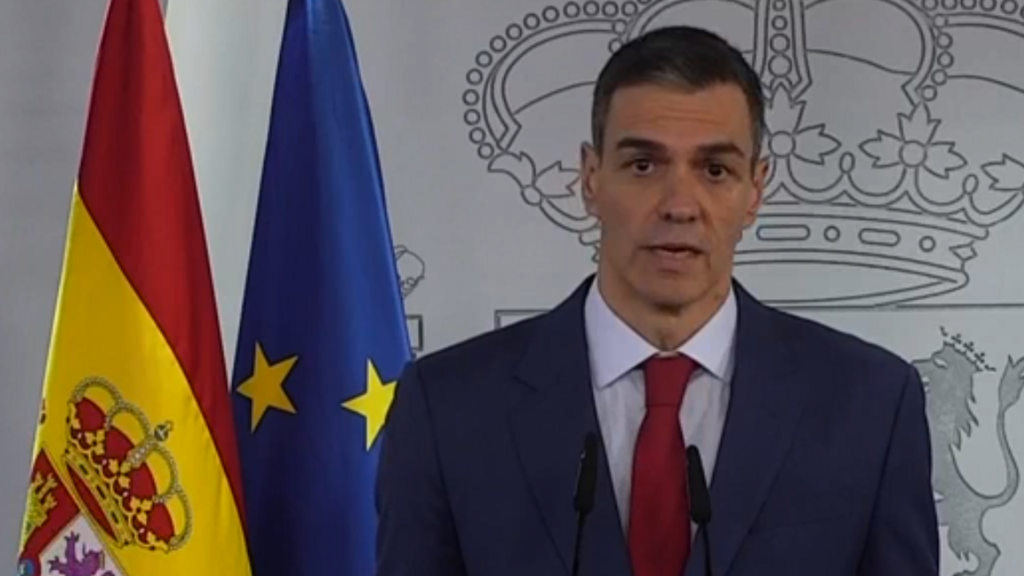
In a dramatic escalation of transatlantic tensions, Spanish Prime Minister Pedro Sánchez has delivered an unequivocal rebuke to Donald Trump's recent threat to sever trade relations with Spain. The American president's provocative statement, which came during a heated exchange over Spain's support for Ukraine, represents not merely a diplomatic spat but a fundamental challenge to the post-war economic order.
The timing of this confrontation is particularly significant. With European nations increasingly asserting their strategic autonomy and seeking to reduce dependence on American military protection, Trump's threat appears designed to test European unity. Spain, as one of the EU's larger economies and a NATO member, occupies a crucial position in this geopolitical calculation.
Sánchez's response was characteristically measured yet firm. Rather than engaging in rhetorical escalation, the Spanish leader emphasized Spain's commitment to international law and multilateral cooperation. This approach reflects a broader European strategy of maintaining diplomatic channels while resisting what many see as American economic coercion.
The economic implications of such a trade rupture would be severe for both parties. Spain is the United States' seventh-largest trading partner within the EU, with bilateral trade exceeding €35 billion annually. However, the interdependence runs deeper than mere statistics suggest. Spanish companies have significant investments in the US, while American firms rely on Spanish ports and logistics networks as gateways to European markets.
This confrontation must be understood within the context of Trump's broader economic nationalism. His administration has repeatedly threatened allies with tariffs and trade restrictions, viewing economic relationships through a zero-sum lens. For European leaders, this represents a dangerous departure from the cooperative economic framework that has underpinned Western prosperity for decades.
Looking ahead, Sánchez's firm stance may signal a turning point in European responses to American pressure. If other EU leaders follow Spain's example, it could mark the beginning of a more assertive European economic diplomacy. However, the effectiveness of such resistance will depend on European unity and the ability to present a coordinated response to American economic threats.
The coming months will test whether the transatlantic alliance can weather this latest storm or whether we are witnessing the beginning of a more fundamental realignment of global economic relationships. Sánchez's response suggests that at least some European leaders are prepared to draw clear lines in the sand, even at the risk of provoking American retaliation.