Back to home
INTERNATIONAL30 March 2026
Russian Tanker's Arrival in Cuba Signals Shifting Geopolitical Dynamics
A Russian oil tanker's arrival in Cuba, following Trump's permissive remarks, highlights shifting geopolitical dynamics and Cuba's continued reliance on Russian support amid U.S. sanctions and economic challenges.
La
La Rédaction
The Vertex
5 min read
Source: www.bbc.com
A Russian oil tanker has successfully reached Cuban waters, arriving just hours after former President Donald Trump stated he had 'no problem' with its delivery. This development marks a significant moment in the evolving relationship between Cuba, Russia, and the United States, particularly given the longstanding economic sanctions and blockades that have historically constrained Cuba's access to international markets.
The timing of Trump's remarks and the tanker's arrival raises questions about the potential softening of U.S. policy toward Cuba, at least in specific economic contexts. While Trump's administration had previously tightened restrictions on Cuba, this apparent relaxation suggests a more nuanced approach to bilateral relations. The tanker's journey also underscores Russia's growing role as an economic partner for Cuba, filling the void left by reduced Venezuelan oil exports and U.S. sanctions.
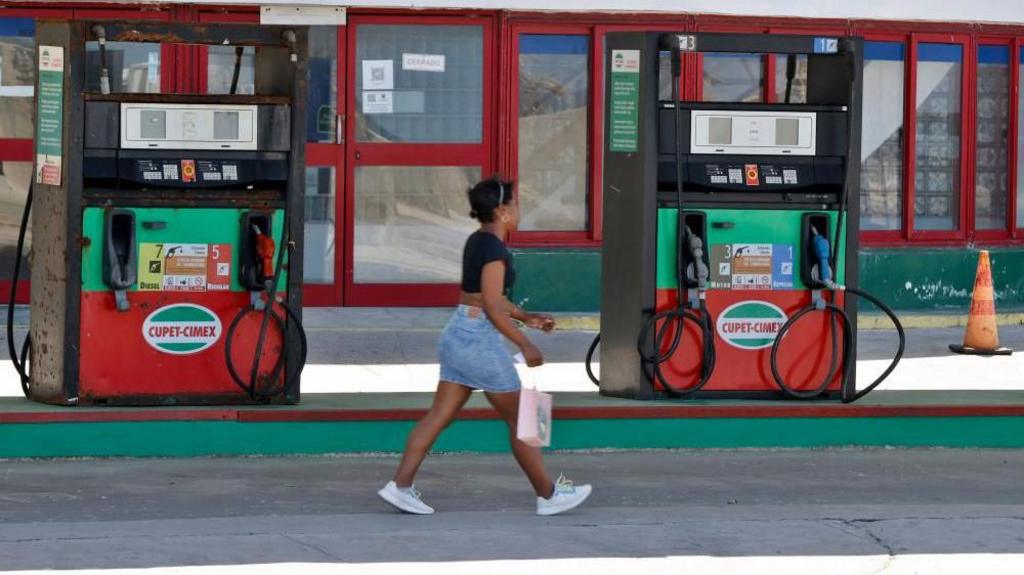
For Cuba, the delivery represents a critical lifeline, as the island nation continues to grapple with severe energy shortages that have led to frequent blackouts and economic hardship. The Russian oil will help stabilize Cuba's power grid and support essential services, though it does not address the underlying structural issues in the Cuban economy.
Looking ahead, this incident may signal a broader realignment in Caribbean geopolitics. As Russia expands its influence in the region through economic partnerships, the United States faces complex decisions about how to balance strategic interests with potential diplomatic openings. The tanker's successful delivery, facilitated by a seemingly permissive stance from a former U.S. president, suggests that pragmatic economic considerations may increasingly shape international relations in the Caribbean basin.