Back to home
POLITICS16 June 2026
The Killing of a Satirical Voice: What Skrepetsky’s Death Reveals About Putin’s Reach
The murder of Russian caricaturist Semyon Skrepetsky in Warsaw underscores the expanding reach of Putin’s repression and raises urgent questions about the safety of dissenting voices in exile.
La
La Rédaction
The Vertex
5 min read
Source: www.bbc.com
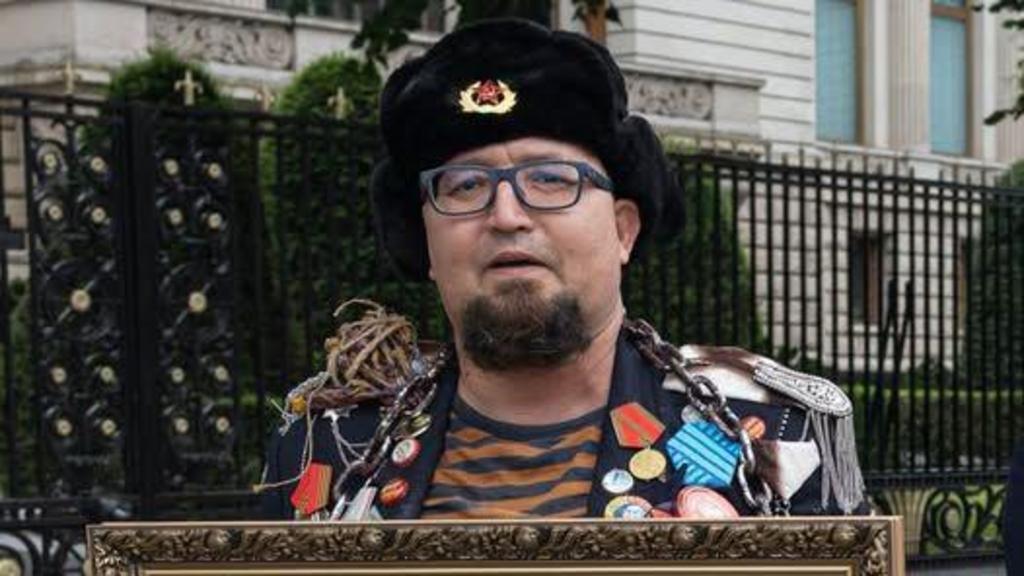
Robert Kuzovkov, known under the pen name Semyon Skrepetsky, was found dead in Poland, a grim reminder that the reach of Vladimir Putin’s repression extends far beyond Russia’s borders. The 45‑year‑old artist, whose caricatures of the Russian president and other officials had circulated widely on social media, was shot outside a Warsaw café, raising urgent questions about the safety of outspoken critics in exile.
Skrepetsky’s work combined stark satire with meticulous draftsmanship, turning political figures into instantly recognizable symbols. By lampooning Putin’s authoritarian posture and the Kremlin’s cronyism, he contributed to a modest but potent strand of dissent among Russian émigrés. His death, occurring shortly after a series of intimidation campaigns against former journalists and activists, signals a troubling escalation in the tactics employed by state-aligned actors.
Poland has long served as a hub for Russian exiles critical of the regime, offering a relatively open platform for artistic and journalistic expression. Yet the killing reflects a broader pattern: the 2022 invasion of Ukraine triggered a wave of reprisals, including cyber‑attacks and physical threats against dissidents abroad. The European Union’s condemnation, while symbolic, underscores the limits of its enforcement capacity in protecting vulnerable voices.
While Skrepetsky’s assassination may temporarily silence one voice, it also risks galvanizing a wider coalition of artists, journalists, and activists who view his murder as a catalyst for renewed resistance. The incident could pressure Western governments to adopt stronger protective measures for dissidents, and may accelerate the fragmentation of the Kremlin’s informational dominance, though the ultimate impact remains uncertain.