Back to home
POLITICS22 March 2026
Robert Mueller: The Quiet Force Behind America's Most Divisive Investigation
Robert Mueller, the former FBI director who led the high-profile investigation into Russian interference in the 2016 U.S. election, has died at 81. His career exemplified institutional integrity in an era of political polarization.
La
La Rédaction
The Vertex
5 min read
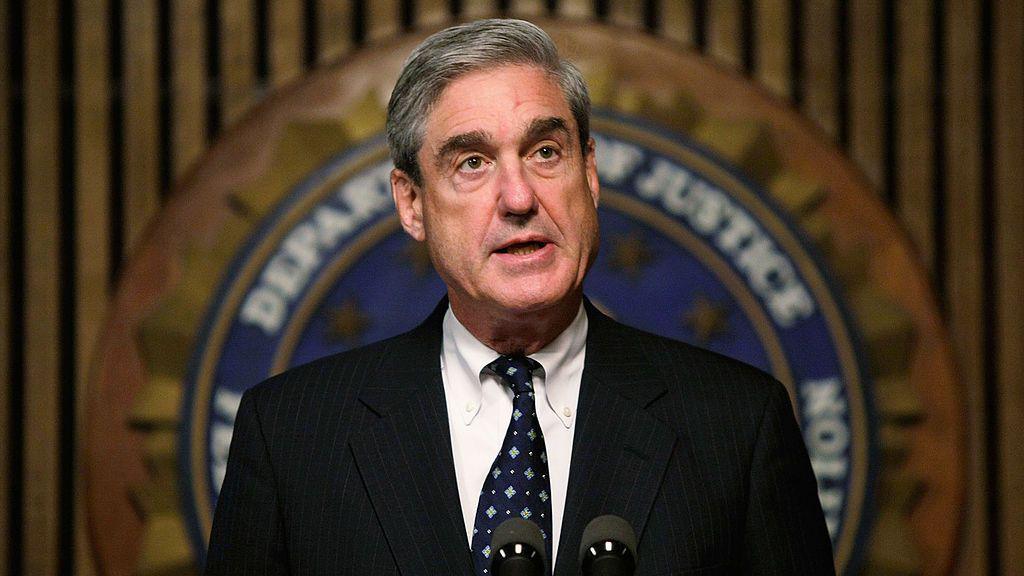
Source: www.bbc.com
Robert Mueller, the former FBI director who became the face of the investigation into Russian interference in the 2016 U.S. presidential election, has died at 81. His passing marks the end of an era defined by intense political polarization and institutional scrutiny.
Mueller's career was built on quiet competence rather than public theatrics. As FBI director from 2001 to 2013, he navigated the agency through the post-9/11 era, expanding surveillance capabilities while facing criticism from civil liberties advocates. His appointment as special counsel in 2017 thrust him into the center of a political maelstrom that would define Donald Trump's presidency.
The investigation he led examined whether the Trump campaign coordinated with Russian efforts to influence the 2016 election. The inquiry lasted nearly two years, resulting in multiple indictments of Trump associates but ultimately concluding without establishing a criminal conspiracy between the campaign and Moscow. The report's findings became a Rorschach test for American politics—liberals saw it as evidence of wrongdoing, conservatives as vindication.
What made Mueller's work significant wasn't just its findings but its methodology. In an era of hyperpartisan investigations, he maintained institutional independence and procedural rigor. His team operated with minimal leaks, and he testified before Congress with the measured demeanor that characterized his entire career.
Mueller's legacy extends beyond the Russia investigation. He represents a vanishing breed of public servant who prioritized institutional integrity over political advantage. In today's climate of weaponized investigations and eroding trust in federal institutions, his example stands as both a model and a reminder of what's been lost.