Back to home
INTERNATIONAL20 May 2026
Putin’s Xi‑Courtesy, Yet No Gas Pact
Putin and Xi displayed a united front, yet the missing gas pipeline deal exposes strategic limits in their partnership. The episode highlights divergent economic priorities and the fragility of a partnership shaped more by politics than by concrete energy projects.
La
La Rédaction
The Vertex
5 min read
Source: www.bbc.com
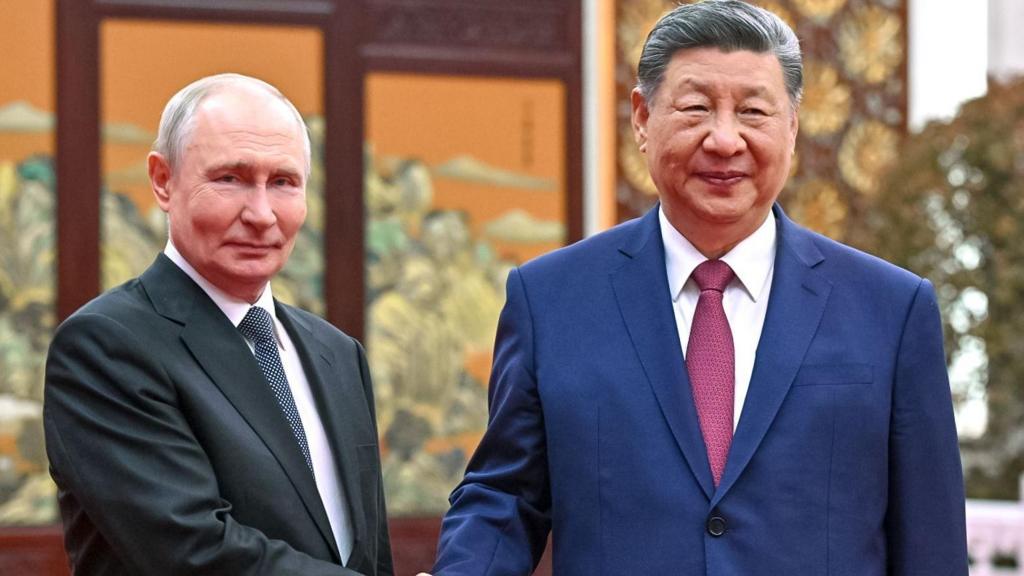
Moscow and Beijing presented a façade of unshakable solidarity during their recent summit, with Vladimir Putin greeting Xi Jinping with the pomp of a state visit and the two leaders pledging deeper cooperation, and to reinforce their narrative of a multipolar world order.
Yet the absence of a concrete gas pipeline agreement reveals a strategic calculus: Russia, eager for Asian markets, must balance Chinese demand against its own sanctions‑bound economy, while China, wary of overreliance, prioritises diversified supply routes, domestic production, and the development of alternative energy partnerships, including with Kazakhstan and Turkmenistan, and to safeguard its strategic autonomy.
The episode underscores a longer‑standing tension: since the 1990s, Moscow has sought to leverage Beijing as a diplomatic shield against Western pressure, but the two powers have divergent interests in Central Asia, the Arctic, and the global energy market, where Russia’s export dependence on Europe contrasts with China’s drive for energy security and price stability, and where Beijing seeks to project influence without compromising its own regional priorities.
For the West, the snub of a pipeline deal signals that Russia’s pivot to China is not limitless; it also highlights Europe’s continued vulnerability to Russian gas and China’s cautious engagement, which may temper Moscow’s geopolitical ambitions and limit the depth of any future strategic convergence, while also exposing the fragility of any unilateral energy corridor.
Looking ahead, the partnership will likely survive as a pragmatic alliance, but substantive economic integration—especially in energy—will remain contingent on Moscow’s ability to navigate Western sanctions and Beijing’s demand for reliable, cost‑effective supplies, and may be accelerated if sanctions ease or if global demand shifts. This scenario suggests a gradual deepening rather than a sudden breakthrough.