Back to home
INTERNATIONAL9 May 2026
Putin's Victory Day Speech: A Defiant Reaffirmation of the Special Operation
Putin used his Victory Day address to reassert the legitimacy of Russia’s ‘special operation’ in Ukraine, directly blaming NATO for the conflict. The reduced parade underscores a cautious yet confrontational stance as diplomatic tensions remain high.
La
La Rédaction
The Vertex
5 min read
Source: www.bbc.com
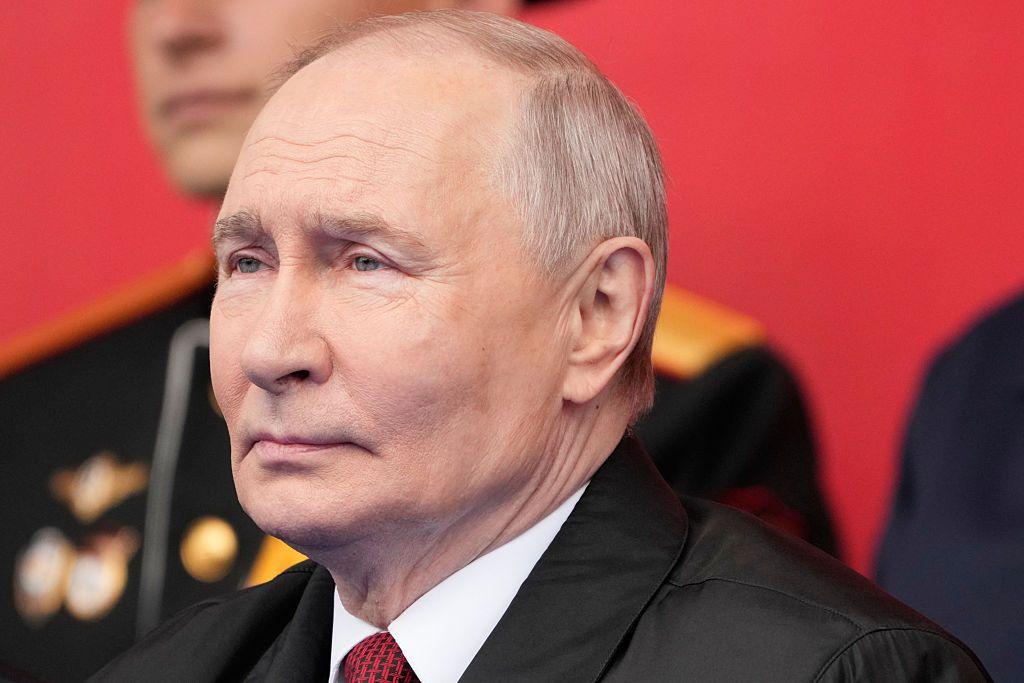
On 9 May, President Vladimir Putin delivered his annual Victory Day address in Red Square, using the occasion to reassert the legitimacy of Russia’s ‘special military operation’ in Ukraine.
The speech, delivered amid a markedly reduced parade, underscored a confrontational stance toward NATO, which Putin labelled an existential threat. By framing the conflict as a defensive response to NATO’s eastward expansion, he sought to rally domestic support while signaling resolve to Western audiences. The reduced visual display, coupled with heightened security measures, underscores Moscow’s awareness of potential backlash and its intent to project strength without provoking direct confrontation.
Victory Day, commemorating the 1945 fascist defeat, has long served as a potent propaganda tool for Russian leadership. In the post‑Cold War era, the holiday has been recalibrated to legitimize contemporary military ventures, linking the present ‘special operation’ to the historic narrative of Soviet sacrifice.
The scaled‑back ceremony reflects both security concerns and a strategic desire to avoid overt displays of force that could further alienate neutral states. Yet the explicit NATO denunciation suggests an escalation in rhetorical posture, potentially hardening diplomatic stalemates and limiting avenues for de‑escalation.
Looking ahead, the speech signals that Russia will likely continue to leverage historical symbolism to justify its actions, while NATO’s response will shape the strategic calculus on both sides. The coming months will test whether this rhetorical escalation translates into tangible military or diplomatic moves, and whether the international community can forge a sustainable framework for peace. Such a posture may also embolden Russia’s allies in the Eurasian region, while prompting NATO to reconsider its forward presence in Eastern Europe.