Back to home
INTERNATIONAL18 April 2026
Papal Diplomacy in the Age of Political Polarization
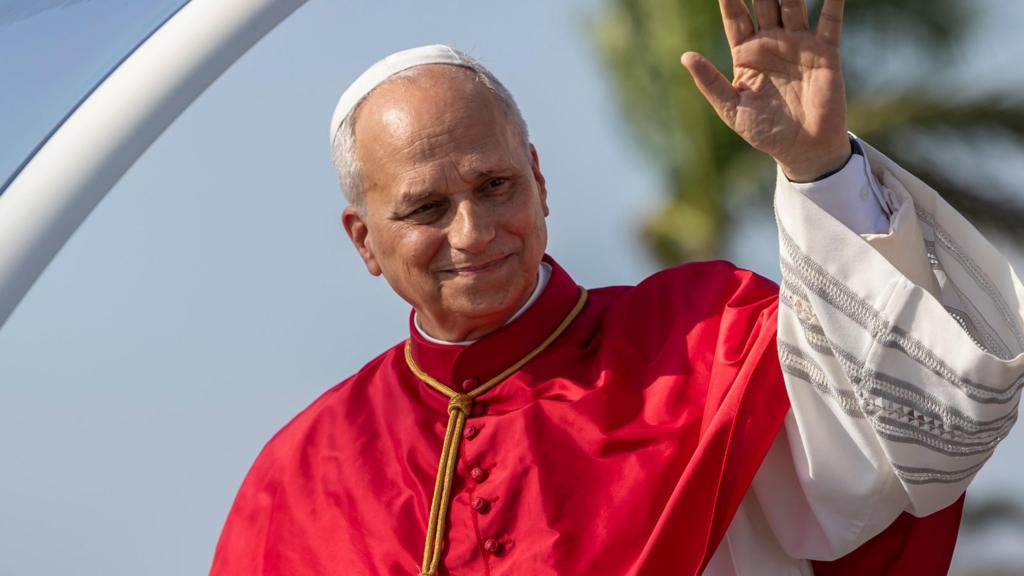
Pope Francis clarifies his 'tyrants' remark was not aimed at Trump, highlighting the delicate balance religious leaders must strike in politically polarized times.
La
La Rédaction
The Vertex
5 min read
Source: www.bbc.com
In a delicate moment of global politics, Pope Francis has clarified that his recent remarks about 'tyrants' were not directed at U.S. President Donald Trump, attempting to defuse a diplomatic tension that threatened to overshadow the Vatican's broader message of peace and reconciliation. The clarification comes after the Pope's Easter address, where he criticized leaders who 'feed on hatred and division,' which some interpreted as a veiled attack on the American president's rhetoric and policies.
The incident highlights the increasingly complex relationship between religious authority and political power in an era of heightened polarization. The Catholic Church, under Francis's leadership, has consistently advocated for migrants, the poor, and environmental protection—positions that often clash with populist nationalist movements gaining traction worldwide. The Pope's Easter message, while ostensibly spiritual, carried unmistakable political undertones that resonated with his critics.
This isn't the first time Francis has found himself at odds with Trump. During the 2016 campaign, the Pope questioned Trump's Christian faith due to his proposed border wall with Mexico. The current misunderstanding underscores how religious leaders must navigate the treacherous waters of political commentary in the social media age, where every statement is scrutinized and potentially weaponized.
Looking forward, the Vatican's careful diplomatic dance reflects a broader challenge facing religious institutions: maintaining moral authority while avoiding partisan entanglement. As global politics grows more divisive, the Pope's role as a spiritual leader rather than a political actor becomes both more difficult and more essential to preserving the Church's universal mission.