Back to home
INTERNATIONAL1 July 2026
The Unspoken Collision: Beijing's Silence Over a Tower Strike
A commercial aircraft struck a Beijing communications tower, leaving visible damage, yet Chinese authorities have offered no explanation and have erased other evidence, raising questions about transparency and aviation safety.
La
La Rédaction
The Vertex
5 min read
Source: www.bbc.co.uk
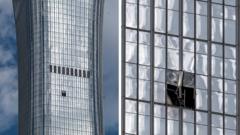
On a clear Tuesday morning in June 2026, a commercial aircraft struck a prominent communications tower in central Beijing, leaving gaping apertures in its steel façade. The incident, captured by a handful of by‑standers, quickly vanished from public view as authorities began an intensive effort to erase any trace of the collision.
The visible damage—large, irregular holes on the tower's western side—suggests a high‑energy impact, possibly involving a loss of control during take‑off or a technical malfunction. Yet the Chinese government has offered no official explanation, nor has it released data such as flight records, air traffic control logs, or engineering assessments that might clarify the cause.
Beijing's tight control over information is well documented; the state routinely censors or reclassifies sensitive events to preserve social stability and its image abroad. This episode fits a pattern where accidents involving critical infrastructure are either downplayed or omitted entirely, leaving both domestic and international observers to speculate.
The lack of transparency raises questions about future aviation safety oversight in China. If such incidents are systematically concealed, it may erode confidence among foreign carriers and investors, and hinder meaningful reforms in air traffic management. A definitive inquiry would not only illuminate the immediate tragedy but also signal a willingness to confront systemic vulnerabilities.
Moreover, the swift removal of physical evidence—photographs, debris, and on‑site reports—demonstrates an operational protocol that goes beyond standard crisis management. It reflects a broader strategy to control narrative momentum, ensuring that the incident does not become a catalyst for broader scrutiny of aviation regulations or state transparency.