Back to home
ECONOMY18 March 2026
Oil Nears $110 as Iran's Gas Field Strike Rattles Markets
Oil prices surged near $110 per barrel after a reported strike on Iran's energy infrastructure, with Tehran vowing retaliation. The incident highlights global energy markets' vulnerability to Middle Eastern instability and threatens to drive up fuel costs worldwide.
La
La Rédaction
The Vertex
5 min read
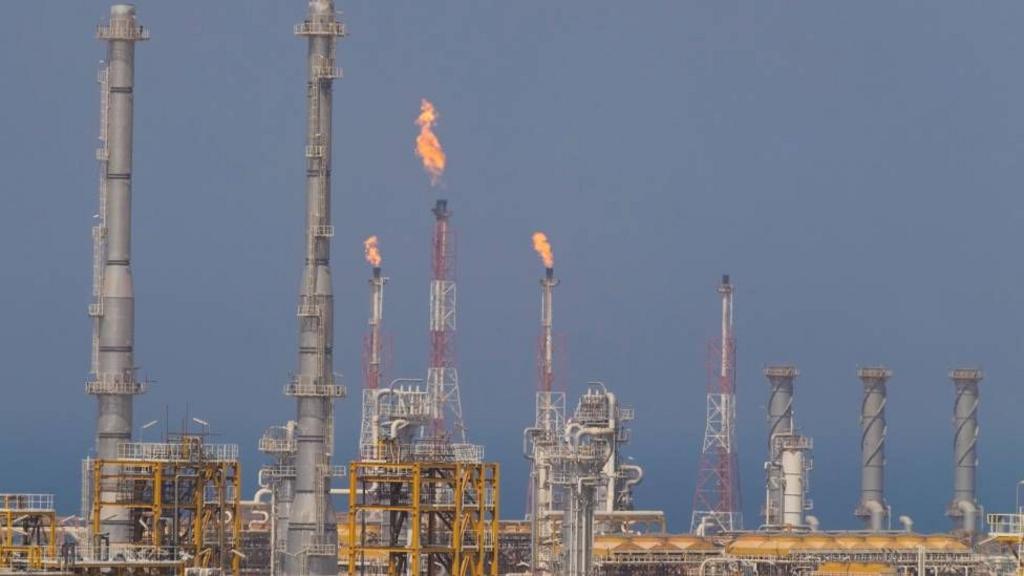
Source: www.bbc.com
Crude oil prices surged toward $110 per barrel on Monday, driven by escalating tensions in the Middle East following a reported strike on Iran's energy infrastructure. The attack, which Tehran's military has vowed to retaliate against with "decisive action," has reignited fears of supply disruptions in a region that accounts for nearly a third of global oil production.
The immediate market reaction reflects the extreme sensitivity of energy prices to geopolitical instability. Traders are pricing in the risk of further escalation that could threaten the Strait of Hormuz, through which approximately 20% of the world's oil passes daily. This comes at a precarious moment when global energy markets are already strained by OPEC+ production cuts and resurgent demand as economies recover from pandemic slowdowns.
Beyond the immediate price spike, the incident highlights the persistent vulnerability of global energy security to regional conflicts. Iran, the world's seventh-largest oil producer, sits atop the world's second-largest natural gas reserves. Any sustained disruption to its exports would have cascading effects on European and Asian energy markets, potentially forcing countries to scramble for alternative supplies.
The strike also underscores the ongoing shadow war between Iran and its regional adversaries, where energy infrastructure has become a strategic target. As oil prices climb, consumers worldwide face the prospect of higher fuel costs, adding inflationary pressure to economies already grappling with elevated prices. The coming days will test whether diplomatic channels can de-escalate tensions or if we're witnessing the beginning of a more dangerous phase in Middle Eastern energy politics.