Back to home
INTERNATIONAL12 May 2026
Absence of Widespread Hantavirus Transmission Reassures Global Health Watchdogs
The WHO warns that the situation remains fluid, but recent data show no evidence of a larger hantavirus outbreak beyond isolated cases. Surveillance and control measures appear to be keeping transmission in check.
La
La Rédaction
The Vertex
5 min read
Source: www.bbc.com
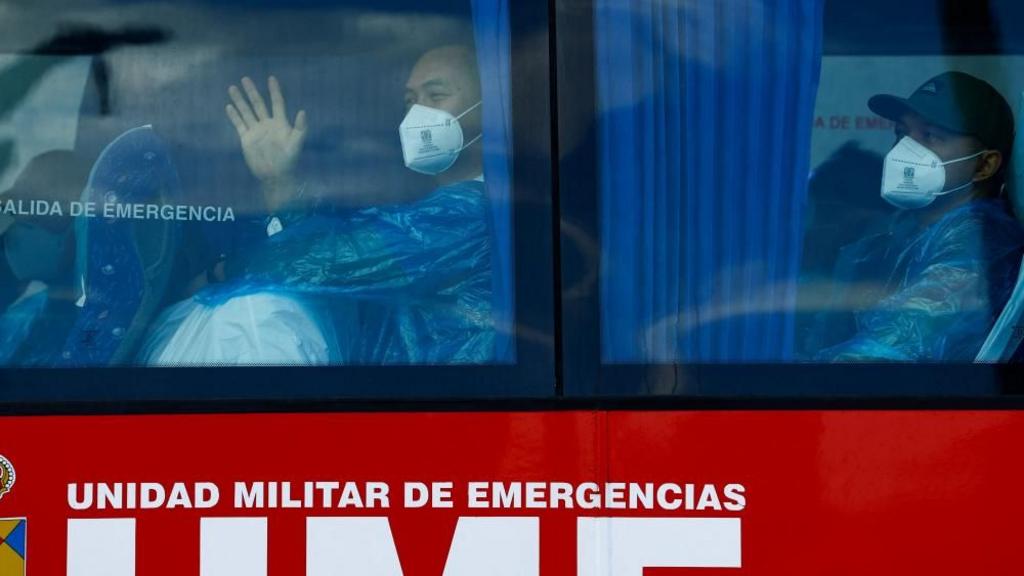
Even as the World Health Organization cautions that the situation remains fluid, recent epidemiological reports indicate that no broader hantavirus outbreak has emerged despite sporadic confirmed cases across several regions.
The limited number of infections suggests that current surveillance systems are effectively detecting clusters, and that transmission pathways—primarily rodent exposure—remain contained within localized hotspots. Health authorities have intensified rodent control measures and public awareness campaigns, which appear to be curbing secondary spread. Moreover, the rarity of human‑to‑human transmission, documented only in rare occupational settings, further limits the potential for rapid escalation. Serological screening of high‑risk occupational groups, such as miners and agricultural workers, has revealed a modest but measurable seroprevalence, indicating silent circulation that could seed future outbreaks.
Historically, hantavirus outbreaks have been tied to specific ecological or socioeconomic conditions, such as the 1993 Four Corners epidemic in the United States, which surged after a severe rodent population boom following a wet year. Today, global health networks benefit from improved laboratory diagnostics and real‑time data sharing, reducing the lag between detection and response. Recent satellite‑derived habitat models suggest that warming temperatures are extending the geographic range of certain rodent species into previously temperate zones, thereby increasing contact opportunities.
Looking ahead, the WHO’s warning underscores the necessity of sustained vigilance, integrated surveillance, and adaptive vector‑control strategies. While the current picture is reassuring, any shift in rodent dynamics or travel patterns could reignite localized clusters, demanding rapid, coordinated action to prevent a larger‑scale event.