Back to home
INTERNATIONAL30 May 2026
The Unspoken Framework: Trump’s Iran Negotiations Remain in Limbo
President Trump met his advisers after reports of a tentative Iran framework, but no formal deal was announced. The discussions hint at limited sanctions relief for a freeze on enrichment, raising questions about regional stability and the durability of U.S. policy.
La
La Rédaction
The Vertex
5 min read
Source: www.bbc.com
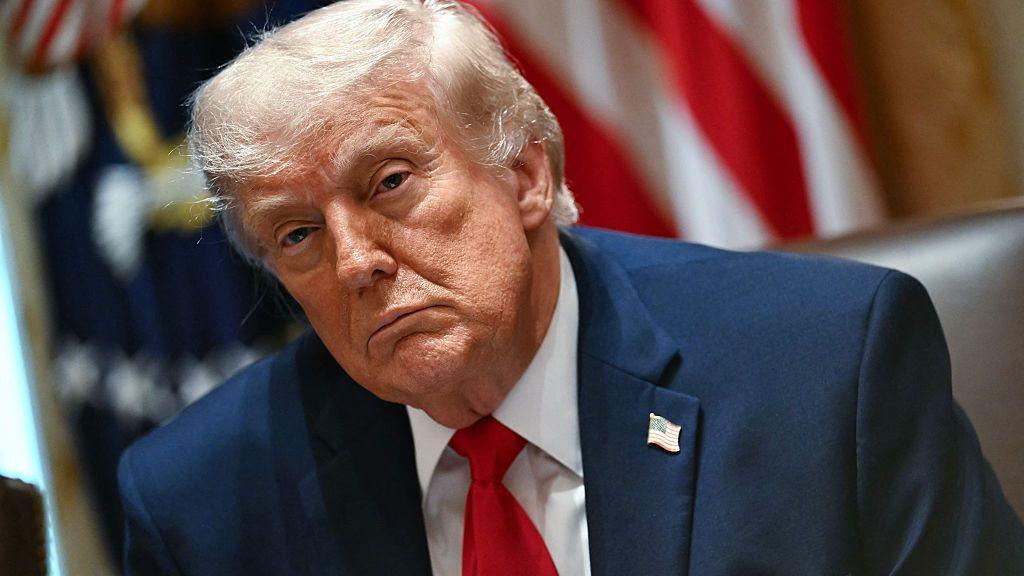
In a quiet White House meeting, President Donald Trump gathered his senior advisers to evaluate a nascent framework between Washington and Tehran, a development that has already ignited speculation across policy circles.
The reported arrangement appears to trade limited sanctions relief for a verifiable freeze on Iran’s enrichment activities. Politically, it reflects a pragmatic recalibration by the administration, aiming to balance domestic pressure for restraint with the strategic need to avoid regional escalation. The deal also seeks to curb Iran’s support for proxy militias, a key flashpoint in the broader Middle East security architecture. Economically, the potential relief could revive Iran’s oil exports, offering a modest boost to global energy markets while testing the durability of existing sanctions regimes. Socially, any rapprochement would affect Iranian civil society, whose hopes for reduced isolation have been tempered by years of hardship.
This episode follows a pattern of intermittent engagement since the 2015 nuclear accord, when the United States withdrew, creating a vacuum that successive administrations have struggled to fill. Moreover, the talks occur against a backdrop of increasing great‑power competition, as the United States seeks to maintain influence while confronting rising assertiveness from China and Russia.
Whether the framework will survive congressional and Iranian parliamentary scrutiny is uncertain. If implemented, it could signal a tentative step toward a new diplomatic architecture; if it collapses, the status quo of confrontation may endure, underscoring the fragile calculus of U.S.–Iran relations. The coming months will test whether the administration can translate this provisional understanding into a durable agreement, or whether domestic political pressures will relegate the initiative to diplomatic limbo.