Back to home
INTERNATIONAL6 April 2026
Nigeria's Easter Church Attack: Military Intervention and the Persistent Threat of Extremism
The Nigerian army rescued 31 hostages after gunmen killed five civilians during an Easter church attack, highlighting the country's ongoing security challenges and the vulnerability of religious communities.
La
La Rédaction
The Vertex
5 min read
Source: www.bbc.com
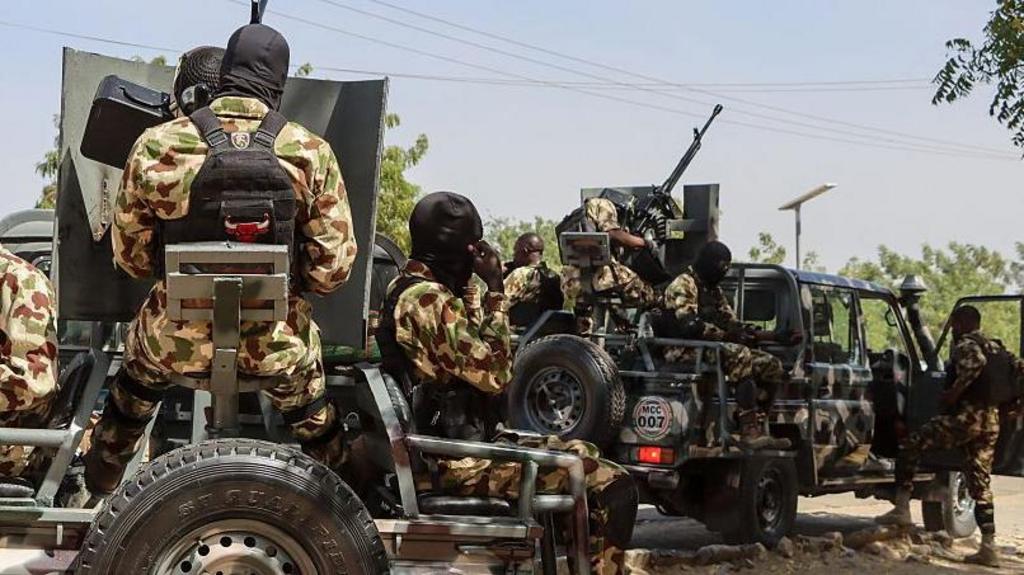
In a harrowing incident that underscores Nigeria's ongoing security crisis, gunmen attacked a church during Easter celebrations, killing five civilians before being confronted by military forces. The Nigerian army successfully rescued 31 hostages in a swift operation, but the attack has once again exposed the vulnerabilities of religious communities in a country grappling with multiple security challenges.
The assault occurred in a region already plagued by banditry, separatist movements, and the lingering threat of Boko Haram. While details remain scarce, such attacks often serve dual purposes: instilling fear within local communities and demonstrating the perpetrators' ability to strike at symbolic targets during significant religious observances. The timing during Easter—Christianity's most sacred celebration—suggests a deliberate attempt to maximize psychological impact.
Nigeria's security forces face an extraordinarily complex landscape. The military's successful hostage rescue operation demonstrates tactical capability, yet the fact that attackers could penetrate a religious gathering points to persistent intelligence and prevention failures. The country's vast territory, coupled with inadequate resources and coordination challenges, creates opportunities for various armed groups to operate with relative impunity.
Looking forward, this incident raises critical questions about Nigeria's approach to countering violent extremism. Will the government strengthen community-based intelligence networks? Will there be increased investment in protecting vulnerable religious sites? Most importantly, will this tragedy catalyze a more comprehensive strategy that addresses the root causes of insecurity—poverty, unemployment, and the erosion of state authority in certain regions?
The international community watches closely as Nigeria navigates these challenges, knowing that regional stability hinges on the country's ability to protect its citizens and preserve the delicate interfaith coexistence that has long characterized Nigerian society.