Back to home
INTERNATIONAL3 May 2026
Nigeria Summons South African Envoy Over Migrant Violence
Nigeria has summoned its South African counterpart to address a wave of violent anti‑migrant attacks that threaten bilateral trade and regional stability. The diplomatic move underscores deep‑rooted economic anxieties and the need for coordinated action to prevent further escalation.
La
La Rédaction
The Vertex
5 min read
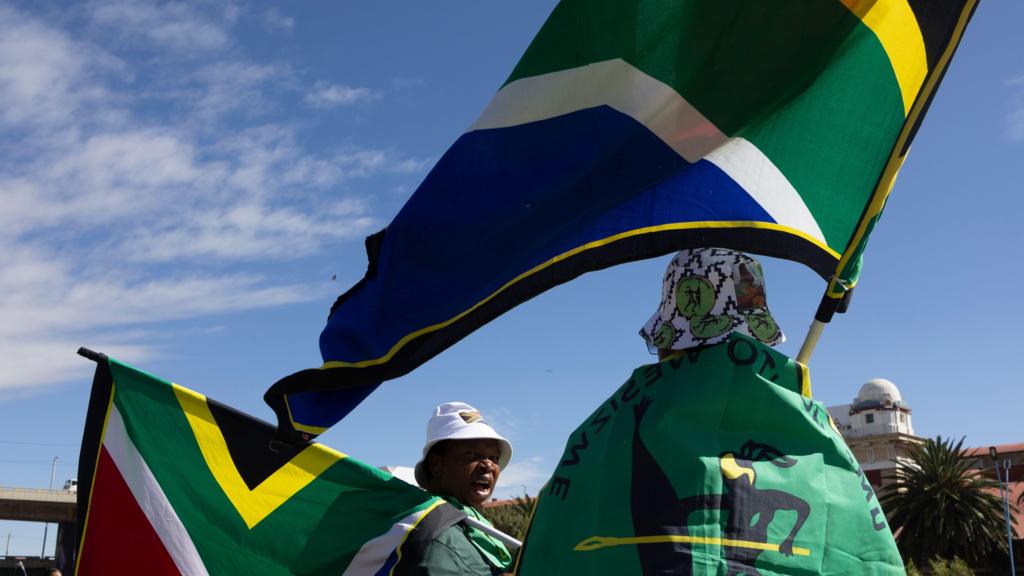
Source: www.bbc.com
In early September, Nigeria summoned the South African ambassador in Abuja, demanding an immediate explanation for a surge of violent anti‑migrant attacks that have left several Nigerian nationals injured and displaced. The diplomatic summons follows weeks of mob‑led assaults in Johannesburg and Pretoria, where South African citizens, inflamed by xenophobic rhetoric, have targeted foreign workers, especially those from West Africa.\n\nAnalysts attribute the violence to a confluence of economic strain and political opportunism. High unemployment, especially among youth, fuels resentment toward perceived competition for scarce jobs, while nationalist parties have exploited the narrative to consolidate electoral support. The attacks jeopardize the fragile trade corridor between the continent’s two largest economies, threatening billions in cross‑border commerce and prompting concerns over regional security. Moreover, the incidents revive historical grievances dating back to the post‑apartheid era, complicating efforts to build a cohesive African market.\n\nSouth Africa has long been the primary destination for migrants from Nigeria and other West African states, drawn by its relatively diversified economy. Yet the country’s 2019 xenophobic wave, marked by looting and fatal attacks, exposed deep‑seated social cleavages. The current flare‑up echoes earlier episodes, such as the 2008 riots, and reflects a broader pattern where economic anxieties are translated into anti‑foreign sentiment across the region. These dynamics intersect with global migration debates, intensifying diplomatic sensitivities.\n\nUnless both governments institute targeted employment programs and robust hate‑speech regulation, the violence risks spiralling into a prolonged diplomatic crisis. Short‑term measures, such as joint security patrols and a bilateral task force, could restore trust, but long‑term reconciliation will require addressing structural inequality and fostering a shared African identity.