Back to home
POLITICS27 March 2026
From Hip-Hop to High Office: Nepal's Anti-Establishment Gamble
Nepal's new prime minister Balendra Shah represents a radical break from traditional politics, winning office as an anti-corruption outsider with no conventional political background.
La
La Rédaction
The Vertex
5 min read
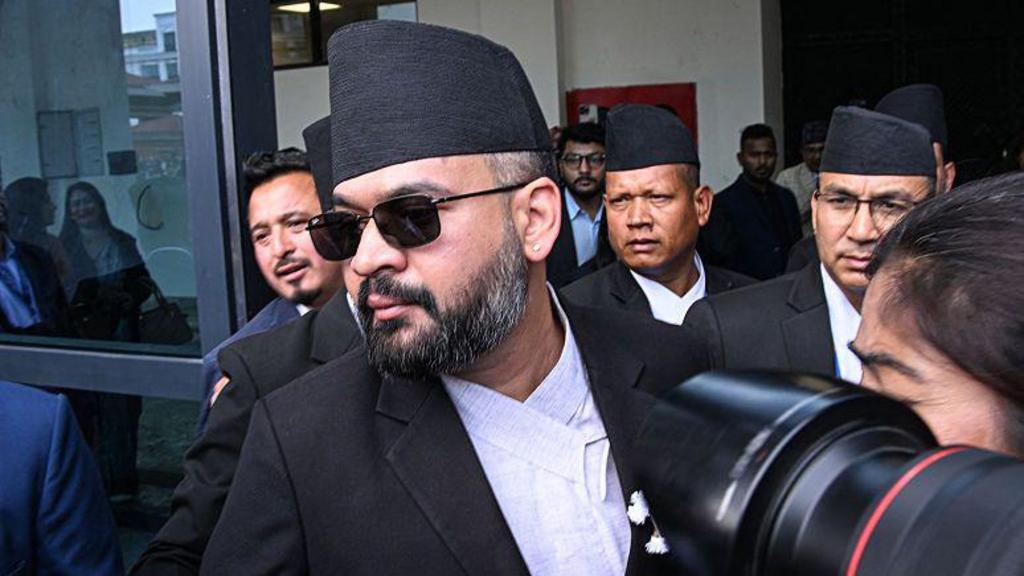
Source: www.bbc.com
Nepal's political landscape has taken an unprecedented turn with the swearing-in of Balendra Shah, a former rapper and engineer, as the nation's new prime minister. His election by a landslide victory represents more than a simple change of leadership—it signals a profound rejection of traditional political structures by a population increasingly frustrated with systemic corruption and economic stagnation.
The 36-year-old former hip-hop artist campaigned on a platform of radical transparency and anti-corruption measures, resonating deeply with Nepal's youth demographic. His outsider status—lacking the traditional political pedigree of Nepal's established parties—became his most potent asset in a country where public trust in conventional political institutions has eroded dramatically.
Shah's victory reflects broader global trends of anti-establishment movements gaining traction in democratic societies. Similar to phenomena in other nations, Nepal's electorate appears to be seeking alternatives to conventional political leadership, driven by economic challenges and perceived institutional failures.
His transition from entertainment to governance presents both opportunities and significant challenges. While his outsider perspective could potentially introduce innovative approaches to governance, the complex bureaucratic landscape of Nepalese politics will test his ability to translate campaign rhetoric into substantive policy.
The international community will closely watch Shah's administration, particularly regarding his approach to diplomatic relations, economic reforms, and maintaining Nepal's delicate geopolitical balance between regional powers India and China.
His success will ultimately depend on his capacity to navigate the intricate world of national politics while maintaining the reformist momentum that propelled him to power.