Back to home
POLITICS28 March 2026
Nepal's Political Earthquake: The Fall of Oli and the Reckoning of Power
Former Nepali Prime Minister KP Sharma Oli has been arrested over a deadly protest crackdown that killed over 70 people and led to his government's ouster. The case tests Nepal's democratic maturity and commitment to accountability.
La
La Rédaction
The Vertex
5 min read
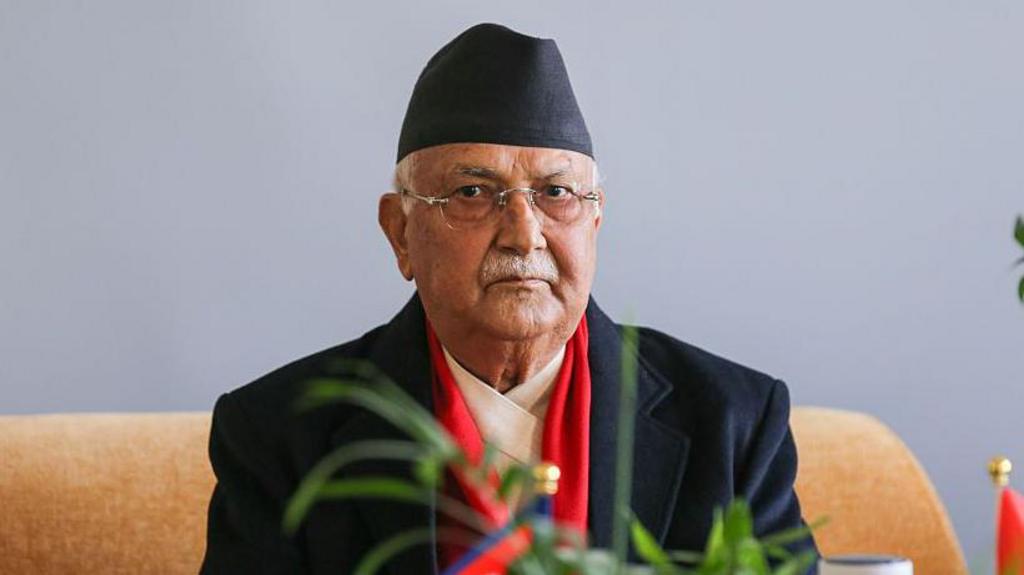
Source: www.bbc.com
In a dramatic turn of events that underscores the volatile nature of Nepal's young democracy, former Prime Minister KP Sharma Oli has been arrested over his alleged role in the deadly crackdown on anti-government protests last year. The arrest marks a watershed moment in Nepal's post-monarchy political evolution, where the boundaries between state authority and popular will are being fiercely contested.
More than 70 people were killed during the uprising that ultimately forced Oli from power, making it one of the bloodiest episodes in Nepal's recent democratic history. The protests, initially sparked by economic grievances and political frustrations, quickly morphed into a broader challenge to Oli's increasingly authoritarian governance style. His administration had been accused of centralizing power, undermining institutional checks, and using state machinery to suppress dissent.
The arrest represents more than just a legal proceeding; it is a referendum on how Nepal's democracy handles the excesses of those in power. For a nation still grappling with the legacy of a decade-long civil war and the transition from monarchy to republic, this moment tests whether the rule of law can prevail over political impunity. The international community will be watching closely, as Nepal's handling of this case could signal its commitment to democratic norms or reveal the fragility of its institutions.
Looking ahead, the trial of Oli could either strengthen Nepal's democratic foundations by demonstrating accountability or deepen political polarization if perceived as a partisan witch hunt. The coming months will reveal whether this arrest heralds a new era of political responsibility or merely another chapter in the cycle of power and retribution that has characterized Nepal's turbulent political landscape.