Back to home
POLITICS30 April 2026
Myanmar’s Aung San Suu Kyi Moved to House Arrest: A Calculated Military Maneuver
Myanmar’s former leader Aung San Suu Kyi has been moved from prison to house arrest, a strategic shift by the junta that seeks to limit her symbolic influence while maintaining tight control. The episode reflects broader patterns of authoritarian concession and raises questions about the future of democratic resistance in the country.
La
La Rédaction
The Vertex
5 min read
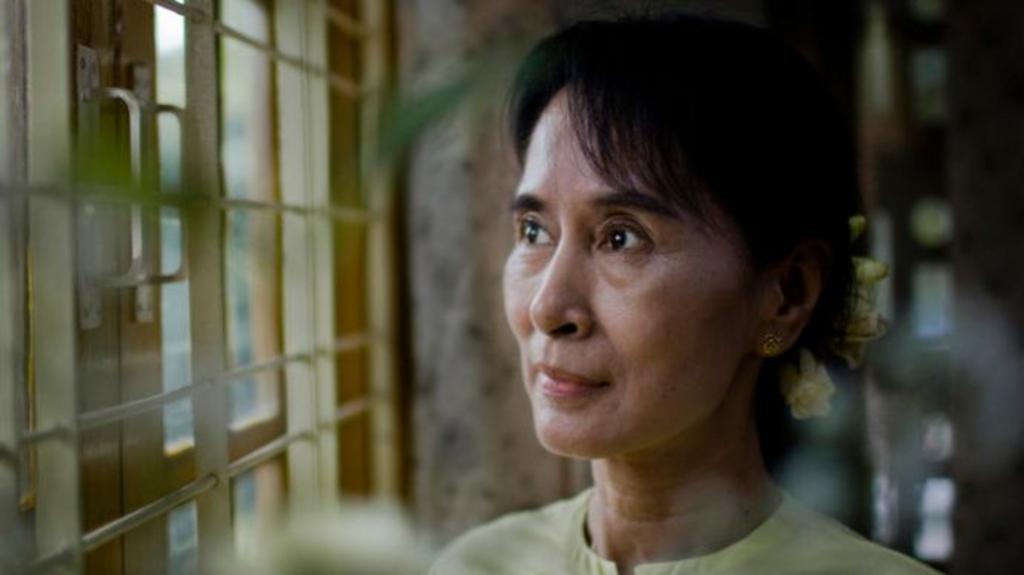
Source: www.bbc.com
Myanmar’s former civilian leader Aung San Suu Kyi has been transferred from prison to house arrest, according to the junta’s announcement on Tuesday. The move marks a new chapter in the country’s protracted political crisis, following her 2021 ouster in a coup that ended a fragile decade of tentative democratic governance.
\nThe transfer was carried out under tight security, with her residence now placed under 24‑hour monitoring by junta operatives.
\nThe military’s decision appears driven by a combination of strategic calculation and domestic pressure. By placing Suu Kyi under ostensibly milder supervision, the junta seeks to diminish her symbolic power while avoiding the spectacle of a high‑profile trial that could further inflame international condemnation. Simultaneously, the gesture may aim to placate moderate factions within the armed forces and to signal a willingness to de‑escalate, at least rhetorically, amid mounting economic strain and civil unrest.
\nContextually, the episode follows a pattern seen in other authoritarian retreats, where nominal concessions are used to manage global image without surrendering core control. Since the 2021 coup, the junta has detained Suu Kyi on charges ranging from corruption to electoral interference, each widely viewed as pretextual. Her relocation to house arrest therefore fits a broader strategy of limiting her visibility while preserving the military’s monopoly over political decision‑making.
\nLooking ahead, the move may temporarily ease diplomatic tensions, yet it underscores the regime’s resolve to retain power through incremental, controlled concessions. Whether this will translate into genuine political opening or merely a tactical pause remains uncertain, but the episode highlights the regime’s capacity to adapt its repressive toolkit to shifting internal and external pressures.