Back to home
SOCIETY4 March 2026
Mosiuoa Lekota: The Quiet Architect of South Africa's Democratic Transition
Mosiuoa Lekota's death marks the passing of a generation that bridged apartheid and democracy, whose complex legacy continues to shape South Africa's political evolution.
La
La Rédaction
The Vertex
5 min read
Source: www.bbc.com
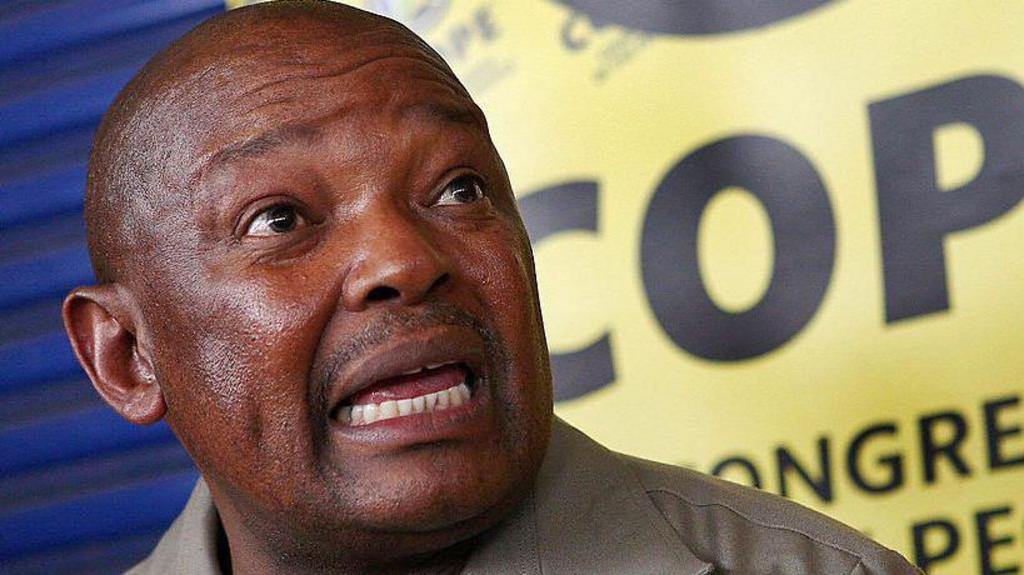
Mosiuoa Lekota, who passed away at 75, embodied the complex trajectory of South Africa's democratic journey. His death marks not just the loss of an individual but the fading of a generation that bridged apartheid's brutality with the promise of democracy.
Lekota's imprisonment alongside Nelson Mandela on Robben Island from 1974 to 1982 symbolized the ANC's underground resistance. Yet his later political evolution—from ANC stalwart to founder of the Congress of the People (COPE) in 2008—reveals the ideological fractures that would eventually challenge South Africa's post-apartheid consensus.
His tenure as defence minister under Thabo Mbeki (1999-2008) was characterized by a delicate balancing act: transforming a military designed for racial oppression into an institution serving all citizens. This transformation proved more challenging than many outsiders realized, as Lekota navigated between maintaining military effectiveness and dismantling apartheid's military culture.
The significance of Lekota's life extends beyond his individual achievements. As one of the last surviving Robben Island prisoners, his passing represents a demographic shift in South African politics. The generation that experienced apartheid's worst horrors is gradually yielding to leaders who inherited, rather than endured, the struggle.
His political defection in 2008, while controversial, highlighted tensions within the ANC that continue to shape South African politics. The ideological debates he championed—between centralized authority and democratic pluralism—remain unresolved, suggesting that Lekota's legacy will influence South African democracy long after his death.