Back to home
POLITICS8 March 2026
Mojtaba Khamenei: The Quiet Heir Shaping Iran's Future
Mojtaba Khamenei's succession as Iran's supreme leader marks a controversial shift toward hereditary rule, raising questions about the Islamic Republic's future direction and its ability to balance hardline policies with reform demands.
La
La Rédaction
The Vertex
5 min read
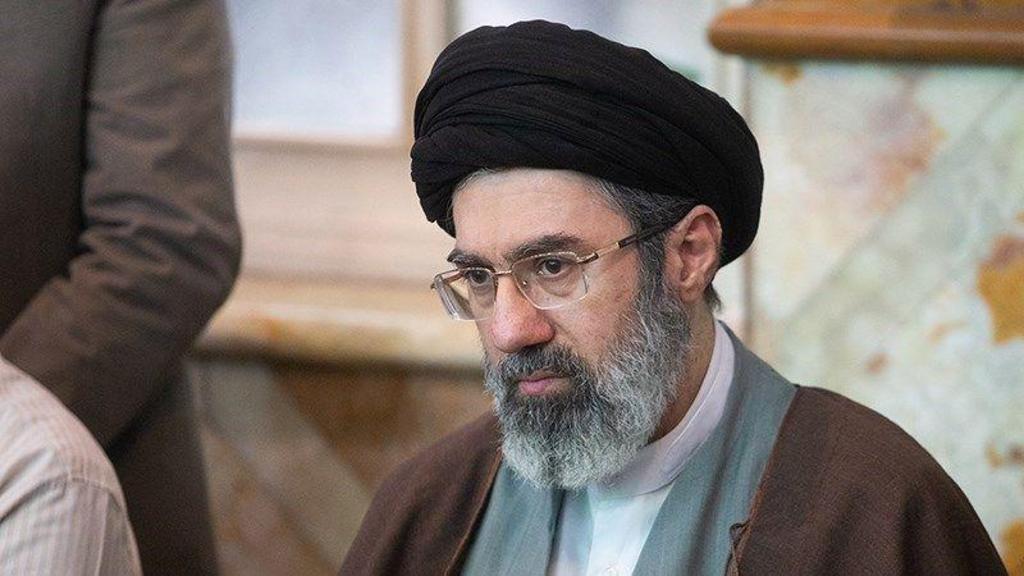
Source: www.bbc.com
When Ayatollah Ali Khamenei's son, Mojtaba Khamenei, ascended to Iran's supreme leadership at age 56, it marked a pivotal moment in the Islamic Republic's history. Unlike his father's gradual rise through revolutionary ranks, Mojtaba inherited power through familial succession—a controversial departure from the system's republican pretenses.
The younger Khamenei has maintained an unusually low profile throughout his political career, rarely appearing in public or making official statements. This reticence has fueled speculation about his ideological convictions and governance style. However, his behind-the-scenes influence within Iran's security apparatus and clerical establishment suggests a continuity of hardline policies.
This succession raises fundamental questions about Iran's political future. The hereditary transfer of supreme authority challenges the Islamic Republic's foundational principle of clerical meritocracy. It also risks alienating reformists and moderates who already view the system as increasingly authoritarian.
Regionally, Mojtaba's leadership could signal strategic continuity in Iran's approach to regional conflicts, nuclear negotiations, and relations with Western powers. His reported close ties to Iran's Revolutionary Guards suggest potential for assertive foreign policy.
The coming months will reveal whether Mojtaba Khamenei represents a modernizing force or a rigid continuation of his father's revolutionary orthodoxy. His success may depend on balancing traditional power structures with the demands of Iran's young, reform-minded population.
As Iran faces economic challenges and social unrest, the new supreme leader's ability to navigate these pressures while maintaining revolutionary legitimacy will determine the Islamic Republic's trajectory in a rapidly changing Middle East.