Back to home
SOCIETY15 April 2026
From €100 to €1 Million: When Charity Raffles Redefine Art Access
A €100 charity raffle ticket wins a €1 million Picasso, challenging traditional art ownership models and sparking debate on art accessibility and philanthropy.
La
La Rédaction
The Vertex
5 min read
Source: www.bbc.com
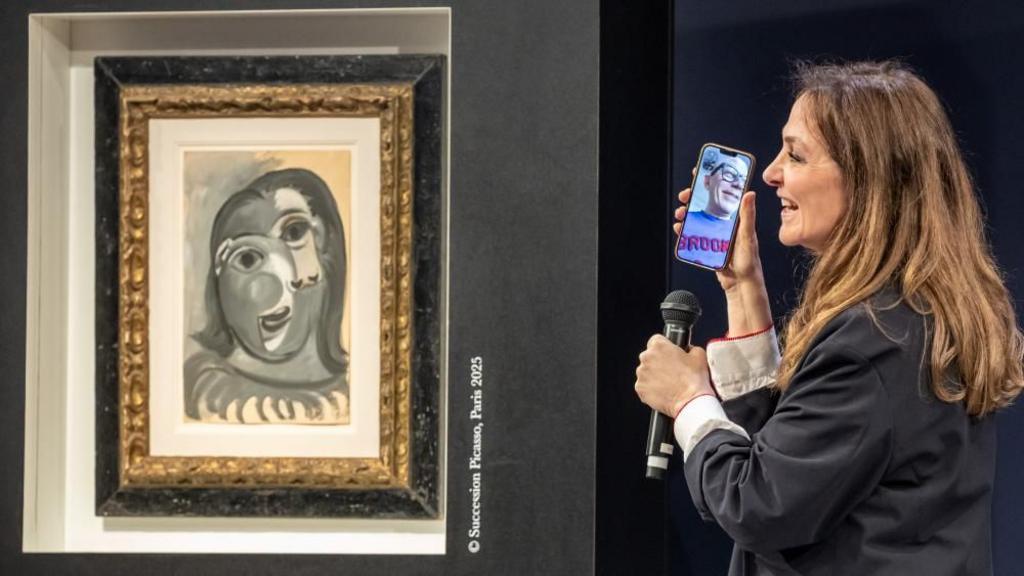
In an unprecedented twist of fate, a €100 charity raffle ticket has transformed into a €1 million Picasso masterpiece, challenging traditional notions of art ownership and philanthropy. This remarkable event, orchestrated by Christie's auction house in Paris, represents a bold experiment in democratizing access to high-value art while supporting charitable causes.
The raffle, which offered participants a chance to win Picasso's 'Nature Morte,' attracted global attention not just for its astronomical prize-to-ticket-price ratio, but for its innovative approach to art philanthropy. By setting the entry fee at a modest €100, organizers effectively opened the door to art ownership for individuals who would otherwise never have the means to acquire such a prestigious work.
This model raises intriguing questions about the future of art collecting and charitable fundraising. Could this be the beginning of a new trend where high-value art serves as a catalyst for both philanthropy and social mobility? The success of this raffle suggests that there is significant public appetite for such initiatives, potentially inspiring similar events across the art world.
However, this approach also presents challenges. Critics argue that it commodifies art and reduces masterpieces to lottery prizes. Additionally, the tax implications and practicalities of sudden wealth acquisition for the winner cannot be overlooked.
As the art world watches this experiment unfold, it's clear that the €100 Picasso raffle has opened a Pandora's box of possibilities. Whether this model will become a staple in art philanthropy remains to be seen, but it has undoubtedly sparked a conversation about the intersection of art, charity, and accessibility in the 21st century.