Back to home
INTERNATIONAL10 April 2026
Middle East Reshuffling: The Geopolitical Chessboard Remains in Flux
The Middle East's ongoing conflict highlights the complex interplay of geopolitical interests and historical tensions. Despite compelling reasons for a ceasefire, the lack of common ground prolongs instability, affecting regional and global dynamics.
La
La Rédaction
The Vertex
5 min read
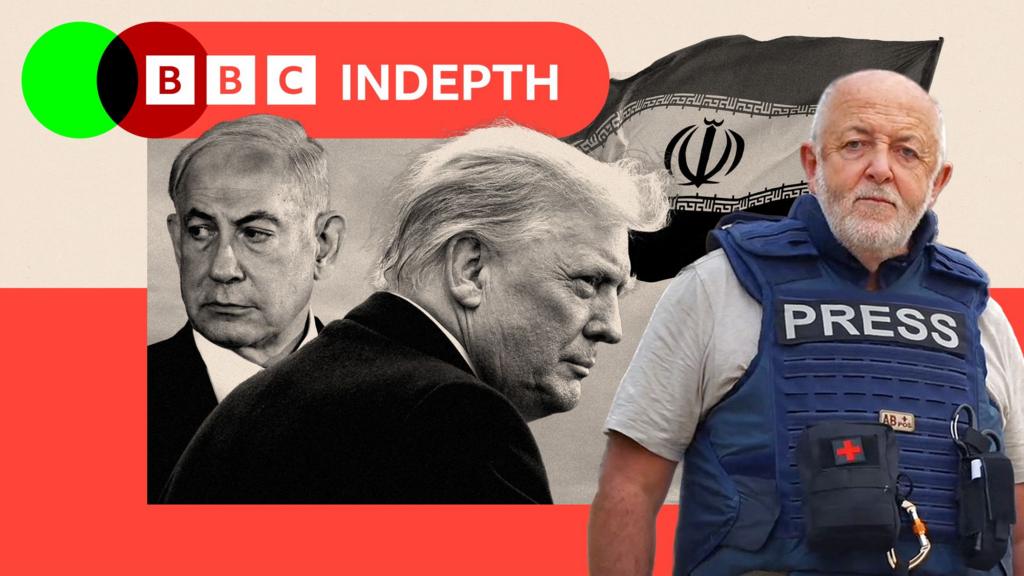
Source: www.bbc.com
The Middle East stands at a crossroads, with the prospect of a ceasefire hanging in the balance. While both sides of the ongoing conflict have compelling reasons to end hostilities, the absence of common ground threatens to prolong the region's instability. This impasse reflects deeper, long-standing tensions that have reshaped alliances and power dynamics across the Middle East.
Historically, the region has been a theater for proxy wars, with external powers vying for influence. The current situation is no exception. The United States, Russia, Iran, and Saudi Arabia each pursue their strategic interests, often at the expense of regional stability. The war has exacerbated existing fault lines, particularly between Sunni and Shia factions, further complicating any potential resolution.
Economically, the conflict has disrupted oil markets and trade routes, with ripple effects felt globally. Countries dependent on regional stability for their economic well-being are increasingly anxious, prompting calls for diplomatic intervention. However, the lack of trust between key players hinders meaningful dialogue.
The humanitarian toll is staggering, with millions displaced and infrastructure decimated. This has led to a growing refugee crisis, straining neighboring countries and testing the international community's resolve. The international response has been fragmented, with some nations prioritizing strategic interests over humanitarian concerns.
Looking ahead, the path to peace remains fraught with challenges. A sustainable resolution will require not only a ceasefire but also a comprehensive approach addressing underlying grievances. This includes power-sharing agreements, economic reconstruction, and a reevaluation of foreign interventions. Until these issues are tackled, the Middle East's reshuffling is far from over, leaving the region in a state of perpetual uncertainty.