Back to home
SOCIETY9 April 2026
Mexico's Trapped Miner: A Harrowing Tale of Survival and Systemic Neglect
A 42-year-old Mexican miner's miraculous 14-day survival in a flooded tunnel exposes the dangerous conditions in the country's informal mining sector and raises urgent questions about regulatory oversight and worker safety.
La
La Rédaction
The Vertex
5 min read
Source: www.bbc.com
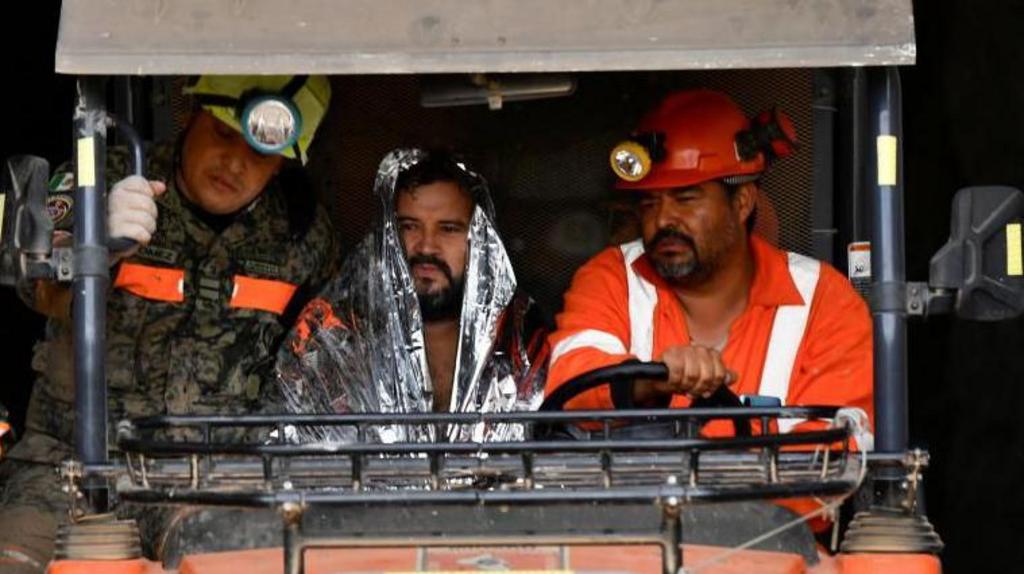
In the heart of Mexico's mining country, a dramatic rescue unfolded after 14 days of uncertainty. José Francisco Yépez Córdoba, a 42-year-old gold miner, emerged alive from a flooded tunnel in El Pinabete, Coahuila, where he had been trapped since August 3rd. His survival, standing in waist-high water when found, is nothing short of miraculous.
The incident highlights the perilous conditions faced by miners in Mexico's informal sector. El Pinabete's operations, like many small-scale mines, operate in a regulatory gray area, often lacking proper safety measures. The collapse that trapped Yépez Córdoba was triggered by a nearby construction project, raising questions about oversight and coordination between industries.
This rescue comes against a backdrop of Mexico's troubled mining history. The country has seen numerous disasters, including the infamous Pasta de Conchos mine explosion in 2006 that killed 65 miners. Despite promises of reform, safety standards remain inconsistent, particularly in smaller operations where economic pressures often outweigh safety concerns.
The successful rescue operation, involving over 300 people and innovative techniques like pumping hot air into the tunnel, demonstrates both human ingenuity and the value placed on individual lives. However, it also underscores the need for systemic changes to prevent such incidents.
As Yépez Córdoba recovers, the incident serves as a stark reminder of the human cost of lax safety regulations. It's a call to action for authorities to strengthen oversight and for the mining industry to prioritize worker safety over profit margins. The question remains: how many more lives must be endangered before meaningful reforms are implemented?