Back to home
SOCIETY9 March 2026
The VAR Sabotage: When Fan Protest Turns Digital
A masked fan's sabotage of VAR equipment during a German match represents a new level of protest against football's technological intrusion, raising questions about security and the future of video review in sports.
La
La Rédaction
The Vertex
5 min read
Source: www.bbc.com
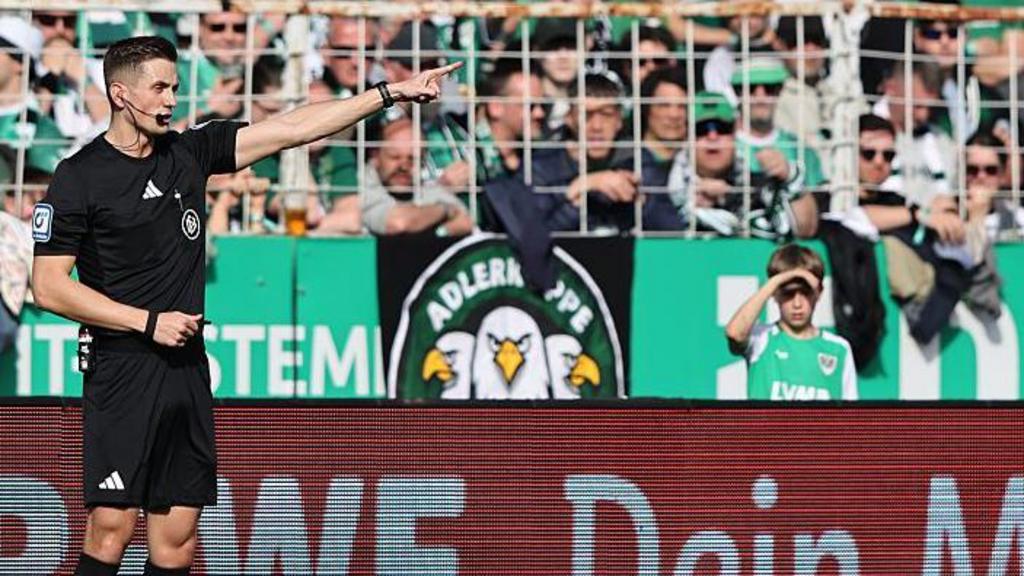
In a startling incident during a German second division match, a masked fan unplugged a VAR monitor just as the referee approached the pitchside screen to review a penalty decision. This act of digital sabotage represents a new frontier in fan protest against technology's growing influence in football.
The Video Assistant Referee system, implemented to reduce human error, has instead become a lightning rod for frustration. Fans argue that VAR disrupts the game's natural flow and introduces new controversies through its own inconsistencies. This physical attack on the technology marks an escalation from verbal criticism to direct interference.
Historically, football supporters have expressed dissent through chants, banners, and coordinated walkouts. The VAR sabotage suggests a more confrontational approach is emerging, where fans feel compelled to physically intervene in the game's technological infrastructure. This raises serious questions about stadium security and the vulnerability of match operations to individual acts of protest.
The incident also highlights the broader tension between tradition and technology in sports. As football becomes increasingly data-driven and technology-dependent, resistance from traditionalists grows. The masked fan's actions symbolize a segment of the football community that views VAR not as progress, but as an unwelcome intrusion that merits extreme measures.
Moving forward, leagues must balance technological advancement with maintaining the sport's organic nature. Enhanced security protocols around VAR equipment and clearer communication about its role may help, but addressing the underlying frustration with the system remains crucial to prevent further escalation of such incidents.