Back to home
INTERNATIONAL27 March 2026
The Legal Battle Over Maduro's Venezuelan Assets: Justice vs. Due Process
US prosecutors argue Maduro should not use frozen Venezuelan assets for his legal defense, while his lawyers claim this violates due process. The case tests how democracies handle alleged authoritarian plunder.
La
La Rédaction
The Vertex
5 min read
Source: www.bbc.com
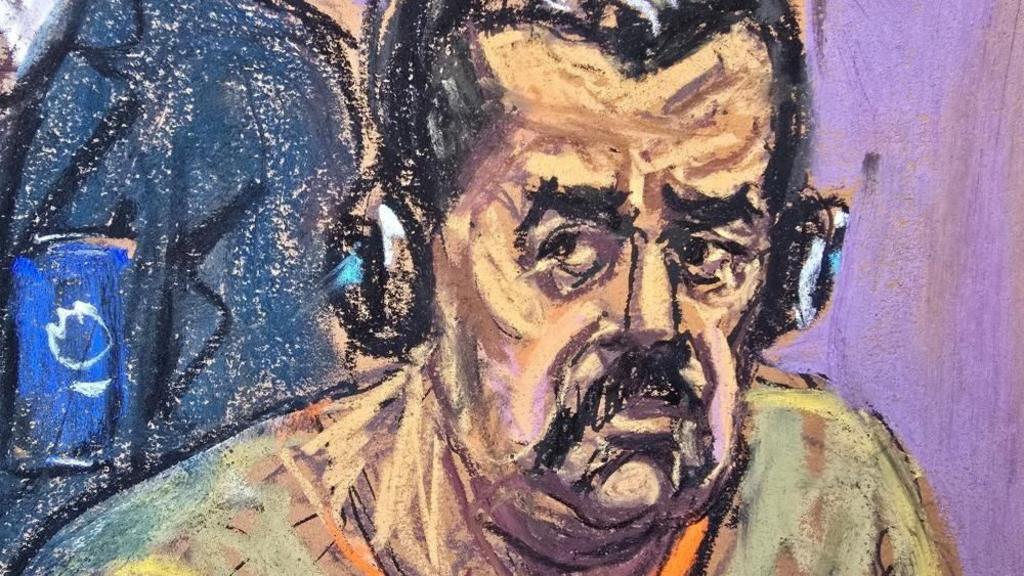
The courtroom clash over Nicolás Maduro's frozen Venezuelan assets has become a proxy battle for the broader question of how to handle the spoils of authoritarian rule. US prosecutors argue that the Venezuelan president has 'plundered' his nation's wealth, while his legal team contends that denying him access to these funds for defense violates fundamental due process rights.
The case centers on millions of dollars in Venezuelan government assets frozen in US banks. Prosecutors contend these funds were obtained through corruption and should not be used to finance Maduro's legal defense against US charges including narco-terrorism and corruption. They argue that allowing such use would effectively let Maduro profit from his alleged crimes.
However, the presiding judge has emphasized that the right to legal defense is paramount, even for controversial figures. This creates a constitutional tension: how to balance the rights of the accused with the need to prevent the use of allegedly ill-gotten gains. The outcome could set a precedent for future cases involving frozen assets of foreign leaders.
This legal battle reflects the broader international struggle to address state-sponsored corruption and recover stolen assets. Countries like Venezuela have seen billions disappear into offshore accounts, while their populations suffer economic collapse. Yet the mechanisms for recovery remain complex, often entangled in legal technicalities that can protect the very officials responsible for the theft.
The case also highlights the challenges of US foreign policy implementation through legal channels. While Washington seeks to pressure the Maduro regime, the judiciary must navigate between diplomatic objectives and constitutional protections. The resolution will likely influence how democracies handle similar cases involving autocratic leaders accused of looting their nations.