Back to home
INTERNATIONAL7 July 2026
Macron's Damascus Visit Disrupted by Deadly Explosions
As President Macron arrived in Damascus, a series of explosions injured eighteen civilians, casting a shadow over the diplomatic summit. The incident highlights the volatile security environment in Syria and the challenges of high‑profile diplomacy.
La
La Rédaction
The Vertex
5 min read
Source: www.bbc.co.uk
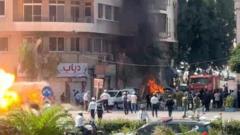
As French President Emmanuel Macron arrived in Damascus for a high‑profile summit, a series of explosions rocked the capital, injuring eighteen civilians. State television reported that Syrian President Bashar al‑Assad had welcomed the French leader at the presidential palace just moments before the blasts, underscoring the fragile choreography of diplomacy amid rising violence.
Analysts view the timing as a deliberate attempt to destabilise a diplomatic overture that could have eased Syria’s isolation. The attacks raise immediate security questions about intelligence failures and the capacity of local forces to protect high‑profile visitors, while also signaling the persistence of militant networks capable of striking symbolic targets.
The casualties underscore the human cost of a conflict that continues to spill over into civilian life, eroding public confidence in the government’s ability to provide security. Moreover, the incident may dampen tourism and foreign investment, both of which are crucial for any post‑war recovery, and could fuel domestic criticism of the regime’s handling of external threats.
Damascus has been a frequent stage for bombings since the onset of the Syrian civil war, often targeting diplomatic or symbolic sites. Macron’s visit, part of a broader European effort to re‑engage the Middle East, had aimed to signal renewed diplomatic momentum, making the explosions a stark reminder of the region’s entrenched volatility.
In the immediate aftermath, authorities are expected to launch investigations, tighten security around the presidential palace, and possibly attribute responsibility to rival militias or external actors. The incident may also influence French public opinion ahead of upcoming elections, testing Macron’s foreign‑policy credentials and potentially reshaping France’s engagement with a war‑torn Syria.