Back to home
INTERNATIONAL2 April 2026
Macron's Diplomatic Rebuke: The Fragility of Western Consensus on Iran
French President Macron criticizes Trump's contradictory stance on the US-Israeli conflict with Iran, highlighting growing divisions within Western alliances over Middle East strategy and raising questions about transatlantic unity.
La
La Rédaction
The Vertex
5 min read
Source: www.bbc.com
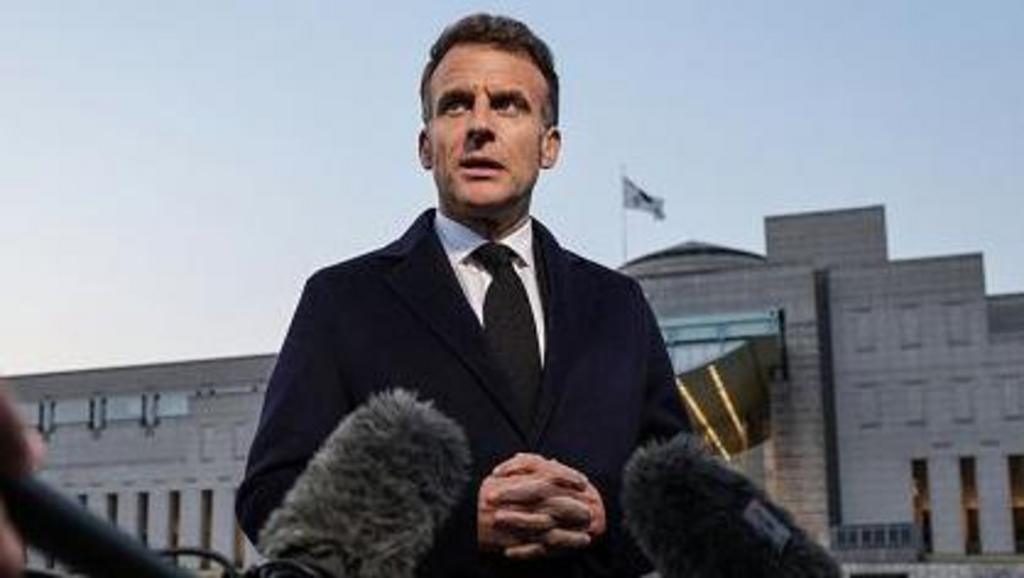
In a pointed diplomatic exchange that underscores the growing fissures within Western alliances, French President Emmanuel Macron has publicly criticized Donald Trump's approach to the escalating US-Israeli conflict with Iran. The comments, described as an 'apparent jab' at Trump's sometimes contradictory stance, reveal deeper tensions about how Western powers should navigate one of the Middle East's most volatile confrontations.
The timing is significant. As military tensions between Israel and Iran reach dangerous new heights, with both sides exchanging unprecedented strikes, the lack of unified Western strategy has become glaringly apparent. Macron's admonition—urging seriousness over daily pronouncements—speaks to a broader frustration among European allies who feel sidelined by what they perceive as impulsive American decision-making.
This rift reflects a fundamental disagreement about regional strategy. While the Trump administration has maintained a posture of maximum pressure against Iran, European powers, particularly France, have sought to preserve the 2015 nuclear deal and engage in multilateral diplomacy. Macron's criticism suggests European leaders believe Trump's approach risks destabilizing an already precarious situation without clear strategic objectives.
The implications extend beyond immediate military concerns. A divided Western front could embolden Iran and complicate efforts to prevent nuclear proliferation. Moreover, it raises questions about the future of transatlantic relations and whether Europe will increasingly pursue independent Middle East policies.
As the situation evolves, the question remains: can Western powers reconcile their competing visions for regional security, or are we witnessing the emergence of a new era of strategic divergence that could reshape Middle Eastern geopolitics for years to come?