Back to home
INTERNATIONAL13 July 2026
The Quiet End of a Political Titan: Lindsey Graham’s Fatal Aortic Tear
Senator Lindsey Graham, 71, died Saturday evening after a fatal aortic tear, according to an independent medical examiner. The longtime Republican senator, a close ally of Donald Trump, served over two decades in the Senate.
La
La Rédaction
The Vertex
5 min read
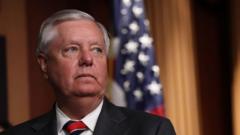
Source: www.bbc.co.uk
The death of Senator Lindsey Graham, 71, on Saturday evening marked the end of a decades‑long career that shaped American politics in ways that will be debated for years. An independent medical examiner concluded that the cause of death was a fatal aortic tear, a rare but lethal condition often linked to chronic hypertension. Graham, who chaired the Senate Judiciary Committee for several years, was known for his vigorous participation in high‑profile confirmation hearings and his frequent appearances on cable news, where he offered a steady, if sometimes contrarian, voice.
Graham’s close alignment with former President Donald Trump made him both a vocal defender and a strategic conduit for the administration’s agenda, especially on foreign policy and judicial appointments. His willingness to cross party lines on issues such as immigration and defense spending endeared him to a broader coalition, yet also exposed him to internal Republican scrutiny. He played a pivotal role in the confirmation of three Supreme Court justices, and his public statements often set the tone for the Senate’s deliberations, reinforcing Trump’s policy priorities while occasionally challenging them on matters of principle.
First elected to the Senate in 2002, Graham built a reputation as a pragmatic conservative who championed bipartisan initiatives while maintaining a strong hawkish stance on national security. His long tenure coincided with significant shifts in the Republican Party, from the post‑9/11 era of expansive military engagement to the populist surge that reshaped the GOP’s ideological center. He was instrumental in drafting the 2017 tax reform package and advocated for increased foreign aid, illustrating his ability to blend fiscal conservatism with a willingness to engage on global issues.
His passing leaves a void in the Senate’s moderate wing and may accelerate the party’s move toward more ideologically rigid positions. Lawmakers will need to consider how his legacy of compromise and his health challenges influence future leadership contests and the legislative agenda in the coming months, especially as the GOP prepares for the 2026 midterm elections and potential presidential ambitions.