Back to home
INTERNATIONAL28 March 2026
Lebanon's Grief: When Childhood Ends in an Israeli Strike
The funeral of an 11-year-old Lebanese boy killed in an Israeli strike highlights the devastating human cost of regional conflict, raising urgent questions about civilian casualties and the cycle of violence in the Middle East.
La
La Rédaction
The Vertex
5 min read
Source: www.bbc.com
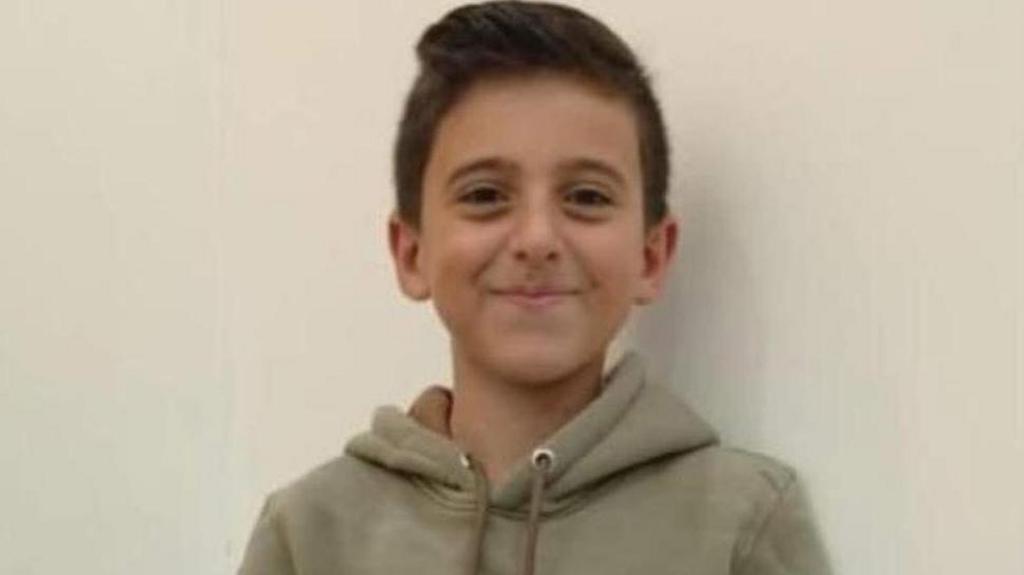
In a small Lebanese village, the funeral of 11-year-old Jawad Younes and his uncle Ragheb has become a stark symbol of the human cost of regional conflict. The two were killed when an Israeli strike hit their family compound, leaving behind a community grappling with grief and defiance.
The tragedy underscores the precarious existence of civilians caught between geopolitical tensions. For decades, Lebanon has served as a battleground for proxy conflicts, with its population bearing the brunt of decisions made far from their homes. The loss of a child—a life barely begun—adds a particularly poignant dimension to the cycle of violence that has defined this region.
This incident occurs against the backdrop of escalating tensions between Israel and Hezbollah, with Lebanon's southern border becoming increasingly volatile. The strike that killed Jawad and Ragheb is not an isolated event but part of a pattern of cross-border exchanges that have intensified in recent months. Each casualty, whether civilian or combatant, risks fueling further resentment and potentially drawing more young lives into the conflict's orbit.
The funeral itself became a moment of both mourning and political statement, with mourners expressing anger at Israel while simultaneously highlighting the vulnerability of Lebanese civilians. Such events often serve as recruitment tools for militant groups, who capitalize on collective grief to strengthen their narrative of resistance against perceived aggression.
As the international community watches these developments, the fundamental question remains: how many more childhoods must be cut short before sustainable peace becomes a priority over tactical advantage? The answer, for now, remains painfully elusive.