Back to home
INTERNATIONAL17 April 2026
Lebanon-Israel Ceasefire: Fragile Truce in a Decades-Old Conflict
A 10-day ceasefire between Lebanon and Israel has taken effect, supported by Hezbollah amid US-Iran negotiations. This temporary truce offers a brief respite in a long-standing conflict, but underlying issues remain unresolved.
La
La Rédaction
The Vertex
5 min read
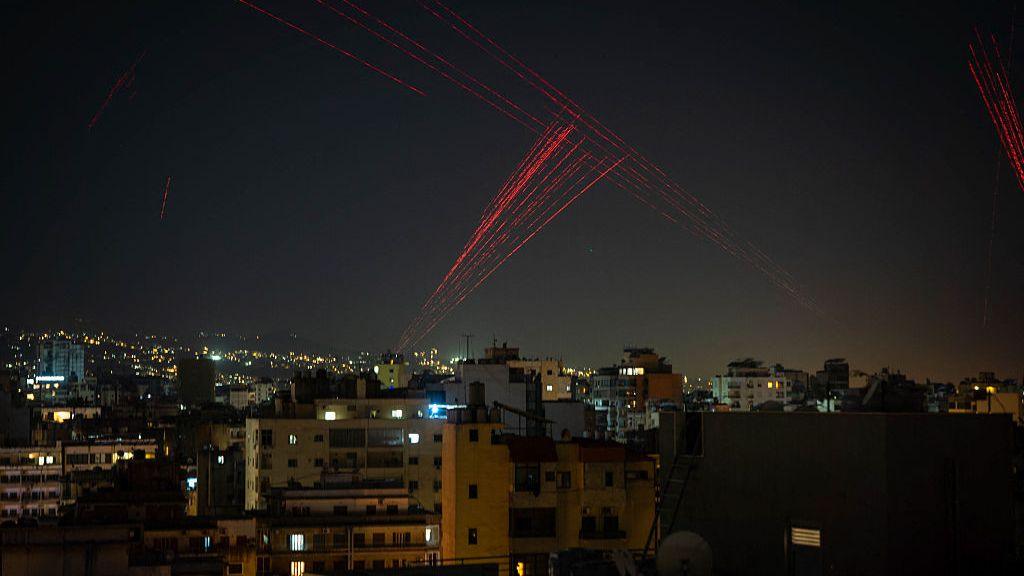
Source: www.bbc.com
A 10-day ceasefire between Lebanon and Israel has taken effect, marking a temporary pause in hostilities that have periodically erupted along the volatile border. The truce, supported by Hezbollah, comes amid delicate negotiations between the United States and Iran, highlighting the complex web of regional and international interests at play.
The ceasefire represents a significant diplomatic achievement, considering the history of conflict between these two nations. Lebanon and Israel have been technically at war since Israel's establishment in 1948, with numerous clashes and a full-scale war in 2006. The current truce offers a brief respite from the escalating tensions that have characterized the region in recent months.
Hezbollah's support for the ceasefire is particularly noteworthy. As an Iran-backed militant group and political party, Hezbollah's stance often reflects Tehran's interests in the region. The group's participation in this truce suggests a potential shift in Iran's approach to the conflict, possibly influenced by ongoing negotiations with the United States.
The involvement of the US in brokering this ceasefire underscores America's continued role as a key player in Middle Eastern geopolitics. However, the temporary nature of the truce raises questions about its long-term viability and the prospects for a more lasting peace agreement.
Looking ahead, the success of this ceasefire will depend on multiple factors, including the outcome of US-Iran negotiations, Hezbollah's willingness to maintain the truce, and Israel's security concerns. While this pause in hostilities offers a glimmer of hope, the underlying issues that have fueled decades of conflict remain unresolved, suggesting that any lasting peace will require more than just a temporary ceasefire.