Back to home
INTERNATIONAL20 June 2026
The Last Wave: Mona Khalil’s Sacrifice in Lebanon’s Shifting Shoreline
Mona Khalil, a dedicated Lebanese turtle conservationist, was killed in an Israeli airstrike while protecting a critical nesting beach. Her death underscores the growing peril faced by environmental defenders amid regional conflict and highlights the urgent need for legal safeguards.
La
La Rédaction
The Vertex
5 min read
Source: www.bbc.com
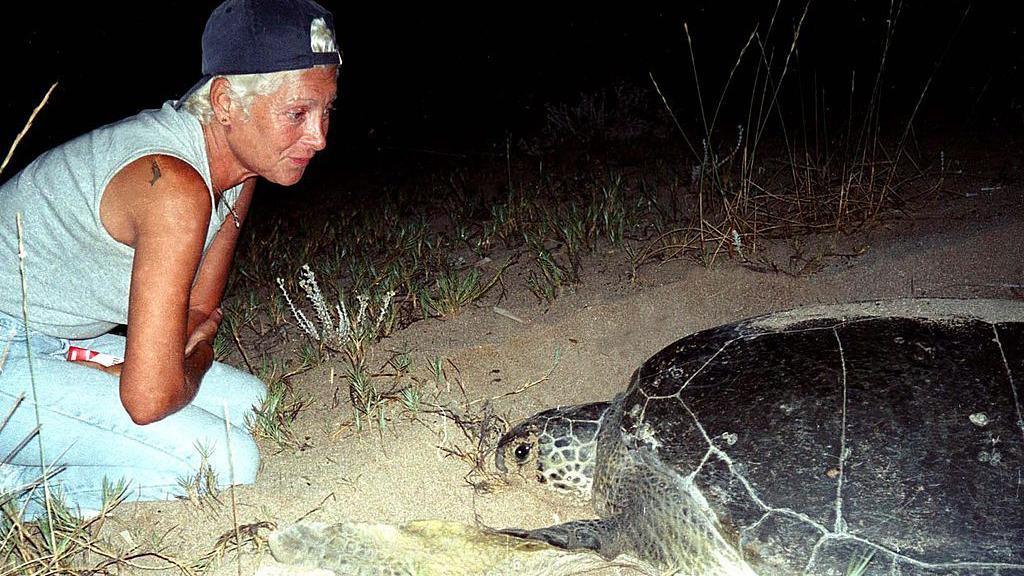
Mona Khalil, a 48‑year‑old marine biologist who had made the windswept sands of Lebanon’s northern coast her lifelong laboratory, died on 12 August after an Israeli airstrike hit the very beach she had vowed never to abandon. Her death marks the first known killing of a dedicated turtle conservationist in the country, turning a personal crusade into a stark symbol of the region’s escalating environmental violence.
The strike occurred near the border with Israel, a zone where naval incursions and artillery fire have increased since the recent escalation in Gaza. For Khalil, the beach was not merely a research site but a critical nesting ground for the endangered loggerhead turtle (Caretta caretta), whose populations have declined by over 70 % in the eastern Mediterranean over the past two decades. Her refusal to evacuate, even as warnings circulated, underscored a broader pattern: environmental stewards often become frontline witnesses to geopolitical aggression, exposing the fragility of protected habitats when conflict erupts.
Khalil’s fate echoes a growing trend across the Middle East, where NGOs and independent scientists report intimidation, property damage, and lethal attacks on conservation projects. In 2022, a similar incident in Gaza claimed the life of a marine ecologist, while the United Nations has documented over 30 attacks on environmental defenders in the past five years. These incidents reflect a strategic dimension: controlling shoreline access can influence fishing rights, smuggling routes, and territorial claims, turning ecological assets into contested zones.
Her death galvanises Lebanese civil society to demand legal safeguards for conservation sites and calls on international bodies to enforce the protection of environmental activists under international humanitarian law. The coming months will test whether Lebanon can reconcile its fragile post‑war reconstruction with the urgent need to preserve its dwindling marine biodiversity.