Back to home
INTERNATIONAL29 April 2026
A Critical Assessment of King Charles's US Visit: Prospects for a Lasting UK‑US Reset
King Charles's recent U.S. visit offers symbolic promise but faces practical hurdles in trade, security and domestic politics. Its lasting impact will depend on concrete agreements and the ability to navigate political cycles in both capitals.
La
La Rédaction
The Vertex
5 min read
Source: www.bbc.com
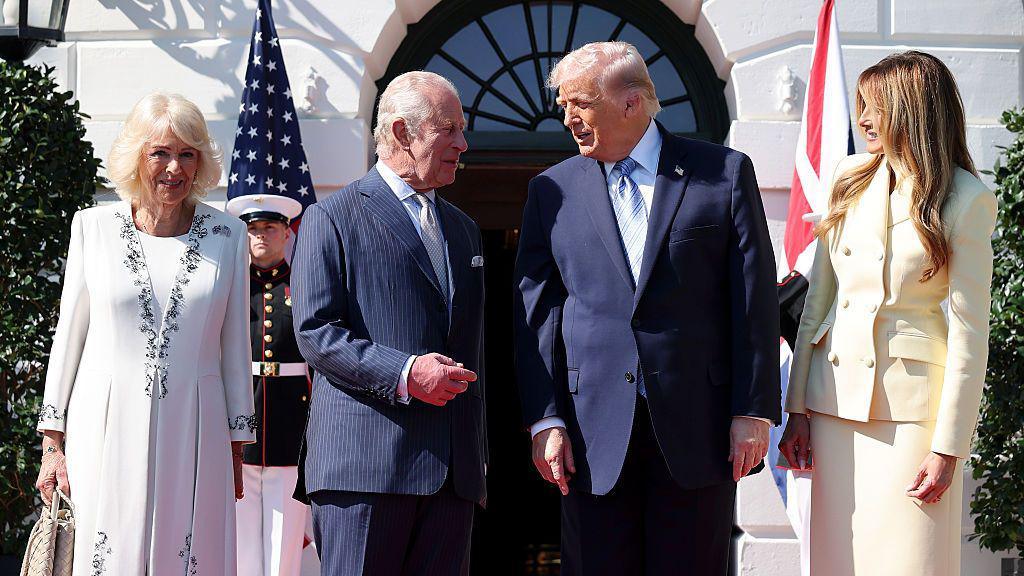
The applause that greeted King Charles during his recent United States visit has now faded, leaving politicians to assess whether the monarch’s historic trip can catalyze a durable recalibration of the special relationship.
Politically, the royal presence underscores a symbolic bridge that may soften domestic criticism of deeper cooperation, especially on trade and security. Economically, the visit revived discussions on a post‑Brexit trade deal, though concrete commitments remain elusive, while climate cooperation could gain momentum through joint funding of renewable projects. Socially, the monarch’s outreach to American civil‑society leaders signals an attempt to broaden the relationship beyond traditional elite channels, yet the limited media coverage suggests a cautious public reception. Moreover, the visit reinforced commitments to NATO solidarity and intelligence sharing, highlighting a shared strategic interest amid rising great‑power competition.
Historically, the special relationship has weathered multiple crises, from the Suez Crisis to the 2003 Iraq war, each time emerging with reinforced institutional ties. King Charles’s 2023 tour, the first by a reigning British monarch since 2011, follows a pattern of using ceremonial visits to reaffirm allegiance amid shifting geopolitical landscapes, notably the rise of China and the re‑orientation of European security.
Looking ahead, the durability of any reset will hinge on translating symbolic goodwill into negotiated outcomes—particularly a workable trade framework and coordinated climate initiatives—while navigating domestic political cycles in both capitals. If these pragmatic steps materialize, the visit could mark a genuine renewal; otherwise, it may prove a fleeting diplomatic flourish. The coming months will test whether these overtures translate into lasting policy.