Back to home
INTERNATIONAL15 March 2026
Kenya's Deadly Floods: A Harbinger of Climate Vulnerability
At least 62 people have died in Kenya's devastating floods, exposing the country's vulnerability to extreme weather events and inadequate urban planning. The crisis highlights urgent needs for climate adaptation and infrastructure investment.
La
La Rédaction
The Vertex
5 min read
Source: www.bbc.com
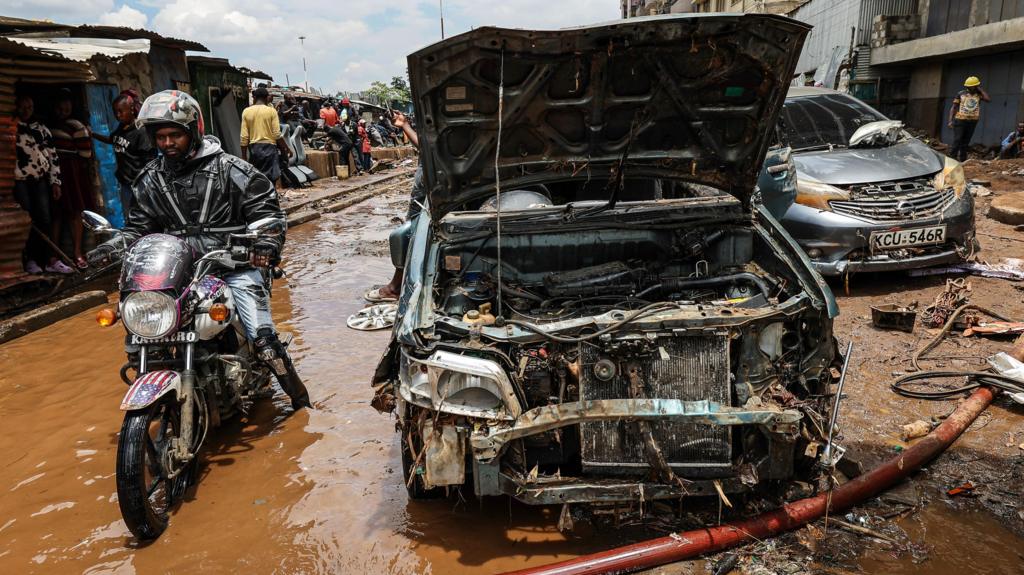
Kenya is grappling with its worst flooding in decades, with at least 62 lives lost and thousands displaced as torrential rains continue to batter the East African nation. The latest tragedy unfolded in Nairobi, where a minibus taxi carrying 11 passengers was swept away by rising floodwaters before a dramatic overnight rescue operation saved all aboard.
The scale of devastation reveals deeper systemic failures. Urban planning in Kenyan cities has long struggled with inadequate drainage infrastructure, while informal settlements—home to millions—are particularly vulnerable to flash flooding. The current crisis has exposed how rapid urbanization without corresponding infrastructure investment creates deadly vulnerabilities.
Climate scientists warn this is not an isolated incident but part of a disturbing pattern. East Africa's weather has become increasingly erratic, with the Intergovernmental Panel on Climate Change identifying the region as highly susceptible to extreme precipitation events. Kenya's geography, with its highland areas and urban centers concentrated in flood-prone valleys, compounds these risks.
The economic toll extends beyond immediate casualties. Agriculture, which employs over 60% of Kenyans, faces potential ruin as fields remain waterlogged. Infrastructure damage—including washed-out roads and bridges—threatens to isolate communities and disrupt supply chains. The government has mobilized emergency response teams, but critics argue that disaster preparedness remains underfunded.
Looking ahead, experts emphasize that adaptation strategies are crucial. This includes not only improved early warning systems and evacuation protocols but also rethinking urban development patterns. Without significant investment in climate-resilient infrastructure, Kenya's vulnerability to extreme weather events will only intensify, turning seasonal rains into recurring catastrophes.