Back to home
INTERNATIONAL5 July 2026
Keiko Fujimori's Unexpected Triumph: A New Chapter in Peru's Turbulent Politics
Keiko Fujimori has been declared the winner of Peru’s presidential election, a result announced nearly a month after voting concluded. The victory, rooted in her family’s political legacy, raises questions about the future direction of a nation grappling with corruption and instability.
La
La Rédaction
The Vertex
5 min read
Source: www.bbc.co.uk
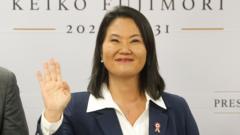
Keiko Fujimori was announced as the winner of Peru’s presidential election on July 4, 2026, concluding a contest that lingered for nearly a month after voters cast their ballots.
The victory reflects both the enduring influence of the Fujimori brand and a broader public fatigue with the traditional parties that have dominated Peru’s democratic landscape. While Keiko’s campaign emphasized economic stability and a tough stance on crime, analysts note that her platform largely mirrors the populist policies that propelled her father to power, raising questions about a continuity of governance that prioritizes security over civil liberties.
Contextualizing the result within Peru’s recent history reveals a pattern of electoral volatility. Since the 1990s, the country has oscillated between authoritarian rule, corruption scandals, and attempts at democratic consolidation. The 2021 election, which saw left‑wing candidate Pedro Castillo narrowly defeated, underscored a polarized electorate still searching for credible leadership. Keiko’s win may signal an attempt to restore institutional confidence, yet it also risks deepening societal divides between those who view the Fujimori legacy as a stabilizing force and those who remember it as a period of repression.
Looking ahead, the president‑elect will inherit a fragile economy, persistent corruption allegations, and a fragmented Congress. Her capacity to navigate these challenges will determine whether Peru can transition from a cycle of crisis to a more stable democratic trajectory, or whether the specter of her father’s controversial past will continue to shape the nation’s political discourse.
Economically, Keiko’s pledge to maintain fiscal discipline and attract foreign investment could reassure global markets wary of Peru’s history of populist expropriation. However, the lingering corruption probes and the need for judicial reforms may impede swift policy implementation, creating a tension between short‑term stability and long‑term institutional strengthening. Investors will be watching closely how her administration balances the demands of a demanding electorate with the technical expertise required to sustain growth.