Back to home
INTERNATIONAL15 March 2026
The Human Cost of Precision: Civilian Deaths in Lebanon Spark Renewed Debate
An Israeli strike in southern Lebanon killed a civilian family, raising questions about military precision in asymmetric warfare. The incident highlights the ethical dilemmas of targeting Hezbollah in civilian areas.
La
La Rédaction
The Vertex
5 min read
Source: www.bbc.com
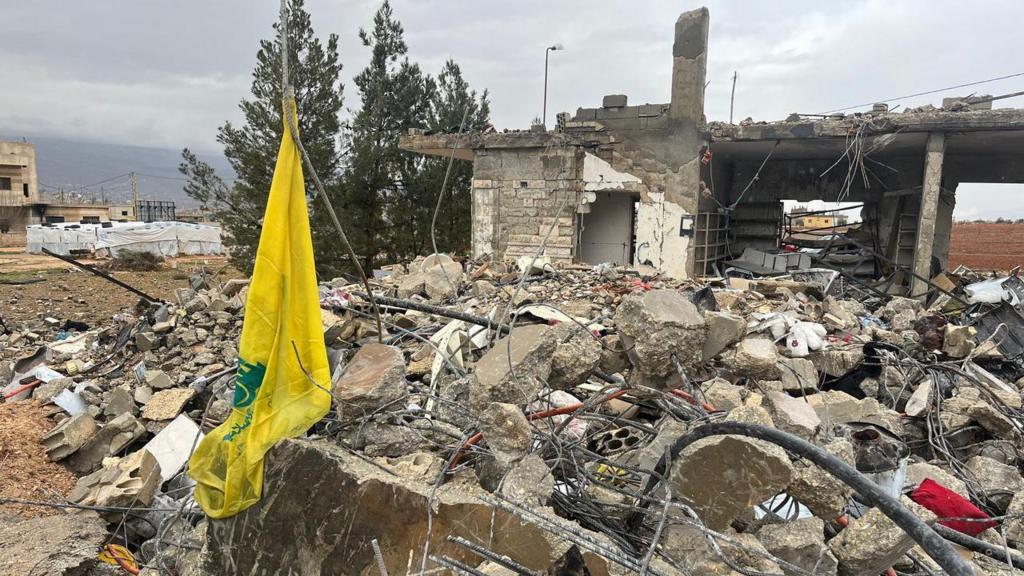
In the aftermath of an Israeli strike on a residential area in southern Lebanon, the stark reality of modern asymmetric warfare has once again come into sharp focus. The BBC's on-the-ground reporting reveals a devastating scene: a family of civilians killed, their relatives adamant they had no ties to Hezbollah, while the Israel Defense Forces maintain the operation targeted 'terrorist infrastructure.' This tragic incident encapsulates the fundamental tension at the heart of Israel's military doctrine in Lebanon - the pursuit of precision in an environment where civilian and militant lives are inextricably intertwined.
The geography of southern Lebanon presents unique challenges for military operations. Hezbollah has embedded itself within civilian populations, using homes, schools, and hospitals as shields for its operations. This tactical choice creates an impossible dilemma for Israeli forces: how to neutralize a threat without causing civilian casualties in an area where the two are deliberately intermingled. The IDF's claim of targeting terrorist infrastructure suggests a calculated military objective, yet the human toll raises serious questions about the efficacy and ethics of such operations.
This incident occurs against the backdrop of escalating tensions between Israel and Hezbollah, with both sides engaging in a dangerous game of brinkmanship. The international community's response will likely focus on calls for restraint and investigations into potential violations of international humanitarian law. However, the fundamental challenge remains unchanged: in conflicts where non-state actors deliberately blur the lines between civilian and military targets, the risk of tragic mistakes increases exponentially.
Looking ahead, this strike may serve as a catalyst for renewed diplomatic efforts to de-escalate the situation, or it could further entrench both sides in their positions, potentially leading to a broader conflict. The international community must grapple with the uncomfortable reality that in modern warfare, the pursuit of military objectives often comes at a devastating human cost.