Back to home
INTERNATIONAL20 June 2026
Ceasefire Tested: Israeli Strikes Expose Fragile Divide in Lebanon
Israeli air strikes killed several civilians in southern Lebanon despite a ceasefire, highlighting the fragility of the agreement. The incident underscores rising tensions and the risk of escalation in the region.
La
La Rédaction
The Vertex
5 min read
Source: www.bbc.com
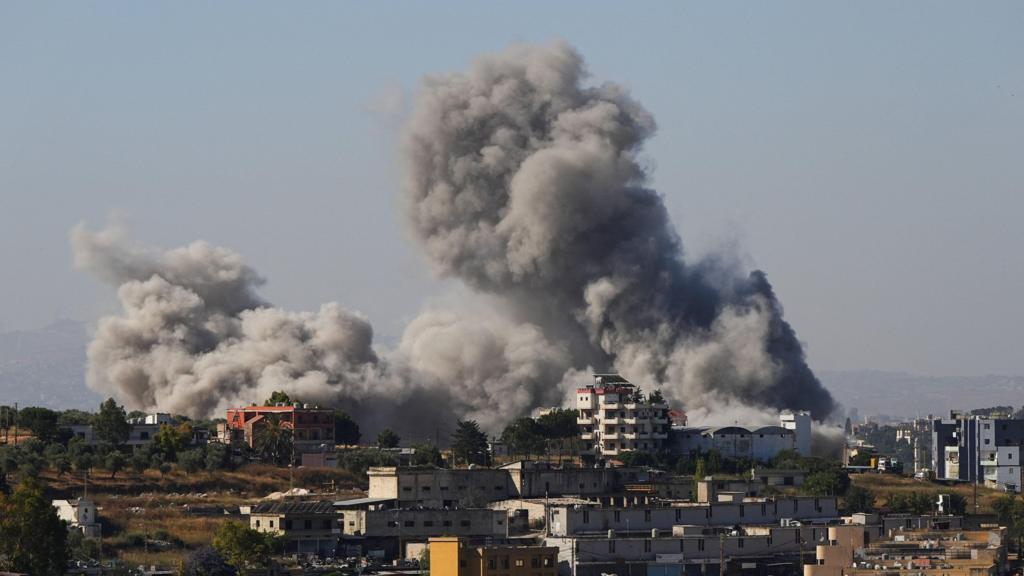
On the night of Tuesday, Israeli air strikes hit targets in southern Lebanon, killing several civilians and reigniting fears that the fragile ceasefire is unraveling. The exchange underscores the volatility of a region already strained by multiple conflicts.
The Israeli Defence Forces (IDF) framed the operation as a pre‑emptive strike against Hezbollah “terrorist targets” after the group launched more than 50 rockets into northern Israel. While the IDF claims precision, the casualties—reportedly three Lebanese civilians and two Hezbollah militants—underscore the human cost of a conflict that has been on a technical pause since the 2020 border agreement.
The ceasefire, brokered by the United Nations and backed by the United States and France, was intended to prevent the spill‑over of the Gaza war into Lebanon. Yet the periodic exchanges of fire, often triggered by rogue units or misidentifications, reveal the fragility of the arrangement and the entrenched rivalry between Israel and Hezbollah, which remains a powerful political and military actor in Beirut.
Analysts warn that without a robust, multilateral monitoring mechanism, the current tit‑for‑tat exchanges could spiral into a broader confrontation. Diplomatic efforts, including renewed talks in Paris, will be tested by the willingness of both sides to de‑escalate, lest the ceasefire become merely a rhetorical footnote in an ever‑widening regional crisis.
Beyond the immediate casualties, the strikes risk destabilising Lebanon’s already fragile economy, which relies heavily on remittances and tourism, both of which have suffered since the war in Gaza spilled over the border. Moreover, the incident may embolden political factions within Lebanon that oppose the current government’s tacit acceptance of the ceasefire, potentially deepening internal divisions and complicating the already stalled formation of a new cabinet.