Back to home
INTERNATIONAL16 April 2026
The Erasure of South Lebanon: Satellite Evidence of Systematic Destruction
Satellite analysis reveals systematic destruction of over 1,400 buildings in southern Lebanon since March 2024, raising serious questions about proportionality and international humanitarian law compliance.
La
La Rédaction
The Vertex
5 min read
Source: www.bbc.com
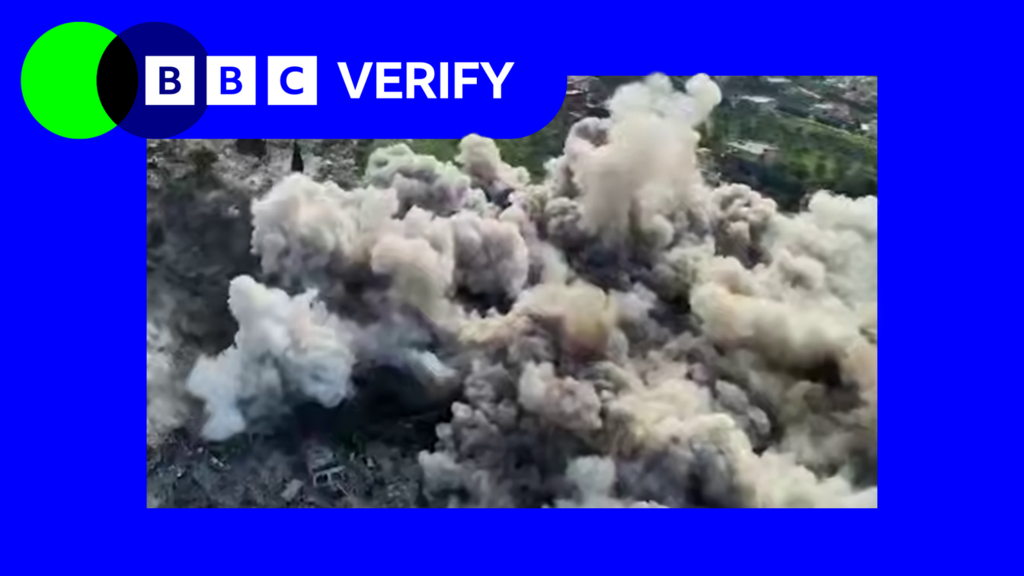
Satellite imagery analyzed by BBC Verify has revealed a systematic campaign of destruction in southern Lebanon, with over 1,400 buildings demolished since early March 2024. This represents not isolated military operations but what appears to be a coordinated effort to reshape the demographic and physical landscape of the region.
The affected areas, primarily in the border zones near Israel, have long been flashpoints in the Israeli-Lebanese conflict. The scale of destruction documented suggests a strategy aimed at creating buffer zones and disrupting Hezbollah's infrastructure. However, the human cost extends far beyond military targets, affecting civilian populations and their livelihoods.
International humanitarian law prohibits the deliberate destruction of civilian property unless absolutely necessary for military operations. The patterns observed in the satellite images raise serious questions about proportionality and necessity. Many of the destroyed buildings appear to be residential structures located in populated areas, suggesting potential violations of the principle of distinction between military and civilian targets.
The timing of these demolitions, coinciding with increased tensions along the border, points to a broader strategic calculation. By physically altering the terrain, Israel may be attempting to establish new facts on the ground that could influence future negotiations or military positioning. This approach echoes similar tactics employed in other conflict zones, where territorial control is asserted through physical transformation rather than diplomatic agreements.
The international community's response to these findings will be crucial. The evidence provided by satellite imagery leaves little room for ambiguity, potentially forcing a reckoning with the methods employed in this protracted conflict. As the destruction continues, the question remains whether diplomatic channels can be mobilized quickly enough to prevent further escalation and address the underlying causes of this cycle of violence.