Back to home
INTERNATIONAL4 March 2026
Southern Lebanon's Exodus: Israel's Warnings Spark Humanitarian Crisis
Israel's evacuation orders in southern Lebanon have triggered a massive humanitarian crisis, displacing hundreds of thousands and straining Lebanon's fragile infrastructure. The escalation reflects deeper regional tensions and raises urgent questions about international intervention and long-term stability.
La
La Rédaction
The Vertex
5 min read
Source: www.bbc.com
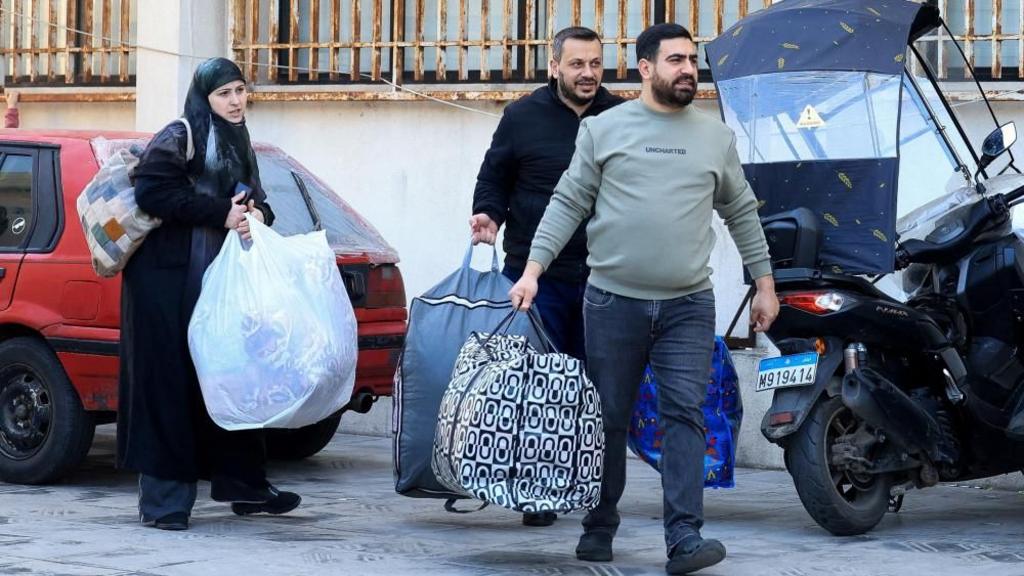
As Israeli forces intensify their campaign against Hezbollah, southern Lebanon faces an unprecedented humanitarian emergency. Civilians in large swathes of the region have received evacuation orders, triggering a mass exodus that has overwhelmed local infrastructure and international aid efforts.
The current crisis represents the most significant displacement since the 2006 Israel-Hezbollah war. With rocket attacks from Hezbollah targeting Israeli territory and Israel's retaliatory strikes intensifying, approximately 200,000 Lebanese civilians have fled their homes in recent weeks. Many have sought refuge in Beirut's parks, makeshift tent cities, and even their vehicles, creating a humanitarian catastrophe that strains Lebanon's already fragile social fabric.
This latest escalation cannot be viewed in isolation. It emerges from decades of unresolved territorial disputes, the persistent threat of Hezbollah's arsenal, and the broader regional power struggle between Iran and Israel. The displacement crisis threatens to destabilize Lebanon's economy further, which was already reeling from a financial meltdown and political paralysis.
International observers warn that the humanitarian situation could deteriorate rapidly if fighting continues. The UN has called for de-escalation, but with both sides seemingly entrenched in their positions, prospects for a ceasefire appear dim. The displacement of civilians not only creates immediate suffering but also risks radicalizing a new generation of Lebanese who have lost everything to the conflict.
As winter approaches, the international community faces urgent questions: Can Lebanon's government manage this crisis? Will humanitarian aid reach those in need? And most critically, what diplomatic solutions exist to prevent this cycle of violence from claiming more innocent lives?