Back to home
INTERNATIONAL16 April 2026
Ceasefire in the Levant: A Fragile Truce in an Endless Conflict
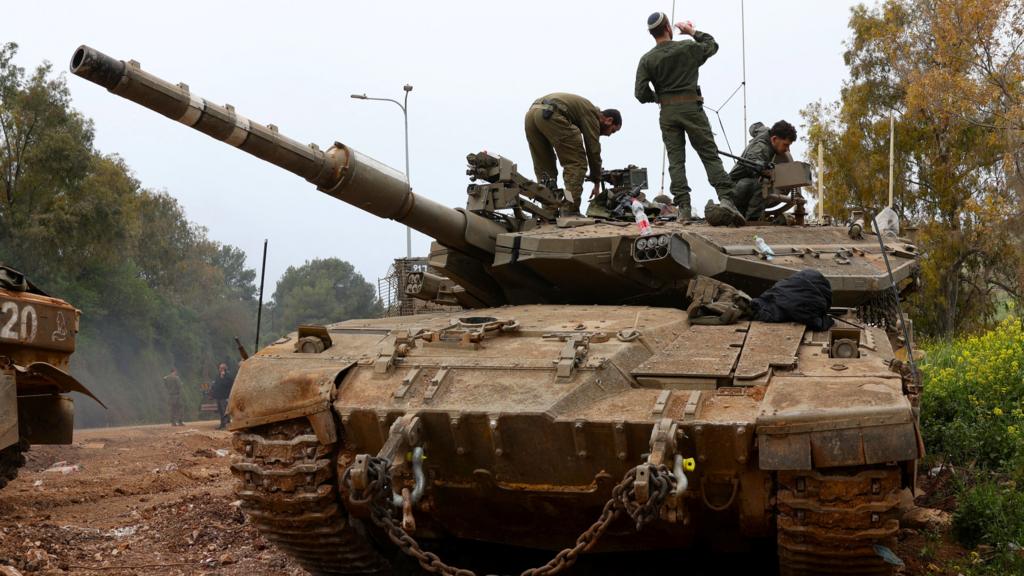
A 10-day ceasefire between Israel and Lebanon, brokered by President Trump, offers temporary relief but faces challenges due to Netanyahu's refusal to withdraw troops from southern Lebanon.
La
La Rédaction
The Vertex
5 min read
Source: www.bbc.com
In a region where conflict has become the norm, the announcement of a 10-day ceasefire between Israel and Lebanon represents both a glimmer of hope and a reminder of the intractable nature of Middle Eastern geopolitics. The agreement, brokered under the auspices of US President Donald Trump, comes after weeks of escalating tensions that threatened to engulf the entire region in another devastating war.
The timing of this ceasefire is particularly significant. It arrives at a moment when both nations face domestic pressures that make prolonged conflict increasingly untenable. For Israel, the economic toll of sustained military operations, coupled with international condemnation, has created mounting political pressure on Prime Minister Benjamin Netanyahu's government. Meanwhile, Lebanon, already grappling with one of the worst economic crises in modern history, simply cannot afford the additional devastation that an all-out war would bring.
However, the devil lies in the details. Netanyahu's insistence that Israeli troops will not withdraw from southern Lebanon casts a long shadow over the agreement's prospects for success. This position directly contradicts UN resolutions and previous agreements, suggesting that this ceasefire may be more tactical pause than genuine step toward peace.
The invitation extended by President Trump to both leaders to Washington signals America's continued role as the primary mediator in Middle Eastern conflicts. Yet, it also raises questions about the effectiveness of US diplomacy in achieving lasting solutions rather than temporary respites in a seemingly endless cycle of violence.
As both nations prepare for talks in Washington, the international community watches with cautious optimism, knowing that in the Middle East, today's ceasefire often becomes tomorrow's forgotten promise.