Back to home
INTERNATIONAL24 March 2026
Israel's Buffer Zone Strategy: A New Phase in Lebanon's Occupation
Israel's plan to establish a large buffer zone in southern Lebanon represents a significant escalation, effectively creating a de facto occupation that raises serious humanitarian and geopolitical concerns.
La
La Rédaction
The Vertex
5 min read
Source: www.bbc.com
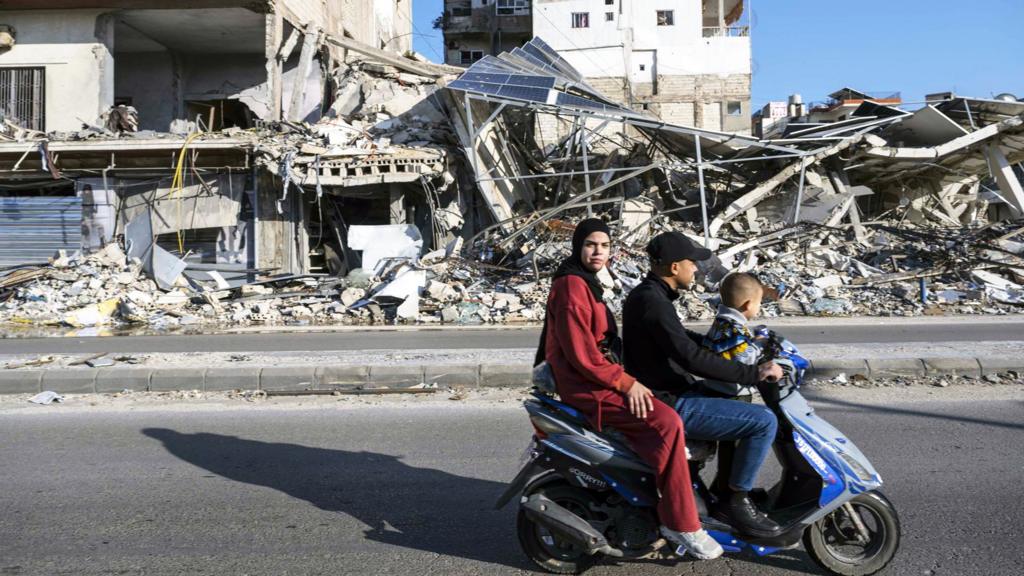
Israel's announcement that it will establish a large buffer zone in southern Lebanon marks a significant escalation in the ongoing conflict between the two nations. This move, ostensibly aimed at ensuring security for northern Israeli communities, effectively creates a de facto occupation of Lebanese territory and raises serious questions about the long-term stability of the region.
The buffer zone strategy is not new in Israeli military doctrine. During its 18-year occupation of southern Lebanon from 1982 to 2000, Israel maintained a security zone intended to create a buffer against Hezbollah attacks. The current proposal appears to be a scaled-up version of this approach, potentially encompassing a much larger area and population.
This development comes at a time when regional tensions are already high. The ongoing conflict in Gaza has strained Israel's relationships with neighboring countries, while Hezbollah's involvement has transformed what was initially an internal conflict into a broader regional crisis. By establishing a buffer zone in Lebanon, Israel is essentially doubling down on its military approach, potentially at the expense of diplomatic solutions.
The humanitarian implications are severe. Thousands of displaced Lebanese residents will be prevented from returning to their homes, creating a new refugee crisis within Lebanon's borders. This could further destabilize the country, which is already grappling with economic collapse and political dysfunction. Moreover, the buffer zone could become a flashpoint for future conflicts, as Hezbollah and other militant groups may view it as an occupation to be resisted.
Looking ahead, this strategy risks entrenching the conflict rather than resolving it. While Israel may achieve short-term security gains, the long-term consequences could include increased radicalization, further erosion of Lebanon's sovereignty, and a deepening of the cycle of violence that has plagued the region for decades.