Back to home
INTERNATIONAL1 April 2026
Israel's Post-War Border Strategy: Permanent Control Over Southern Lebanon?
Israel's Defense Minister announces plans to maintain control over southern Lebanon and demolish border villages after the Hezbollah conflict, raising serious concerns about regional stability and potential annexation.
La
La Rédaction
The Vertex
5 min read
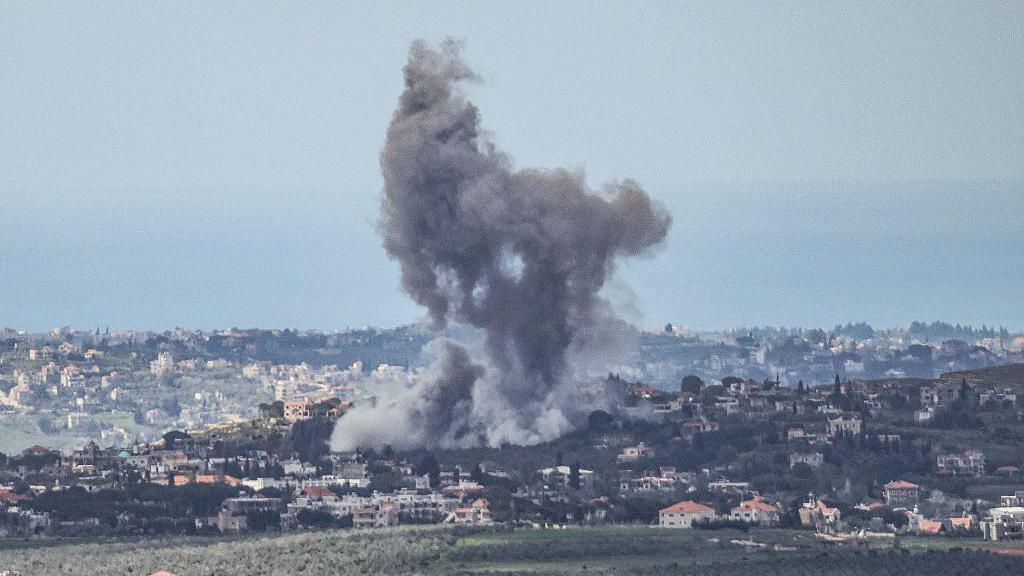
Source: www.bbc.com
In a move that threatens to prolong regional instability, Israeli Defense Minister Israel Katz has declared that Israel intends to maintain control over portions of southern Lebanon even after the conclusion of hostilities with Hezbollah. This announcement comes amid ongoing military operations and represents a significant escalation in territorial ambitions that could reshape the Middle East security landscape.
The proposed Israeli strategy involves not only military occupation but also the systematic demolition of Lebanese villages near the border. Such actions would effectively create a buffer zone devoid of civilian infrastructure, raising serious questions about the long-term viability of Lebanese governance in these areas and the humanitarian consequences for displaced populations.
Historically, Israel has maintained a complex relationship with its northern neighbor, including a 22-year occupation of southern Lebanon that ended in 2000. The current situation bears troubling similarities to past conflicts, yet the explicit intention to retain control permanently marks a departure from previous post-conflict arrangements. This approach directly challenges UN Security Council Resolution 1701, which ended the 2006 Lebanon War and called for the full withdrawal of Israeli forces.
The international community now faces a critical juncture. Will diplomatic pressure be sufficient to prevent what could become a de facto annexation? The precedent set by such actions could embolden other regional powers to pursue similar territorial strategies under the guise of security concerns. As negotiations continue and the humanitarian situation deteriorates, the question remains whether this represents tactical posturing or a fundamental shift in Israel's approach to its northern border.
Looking ahead, the stability of Lebanon itself hangs in the balance, with potential ripple effects throughout the already volatile region.