Back to home
INTERNATIONAL17 March 2026
Israel's Strike on Iran: The Killing of Ali Larijani and Regional Tensions
Israel's alleged killing of Iranian security chief Ali Larijani in an air strike marks a dangerous escalation in Middle Eastern tensions, potentially triggering severe Iranian retaliation and risking broader regional conflict.
La
La Rédaction
The Vertex
5 min read
Source: www.bbc.com
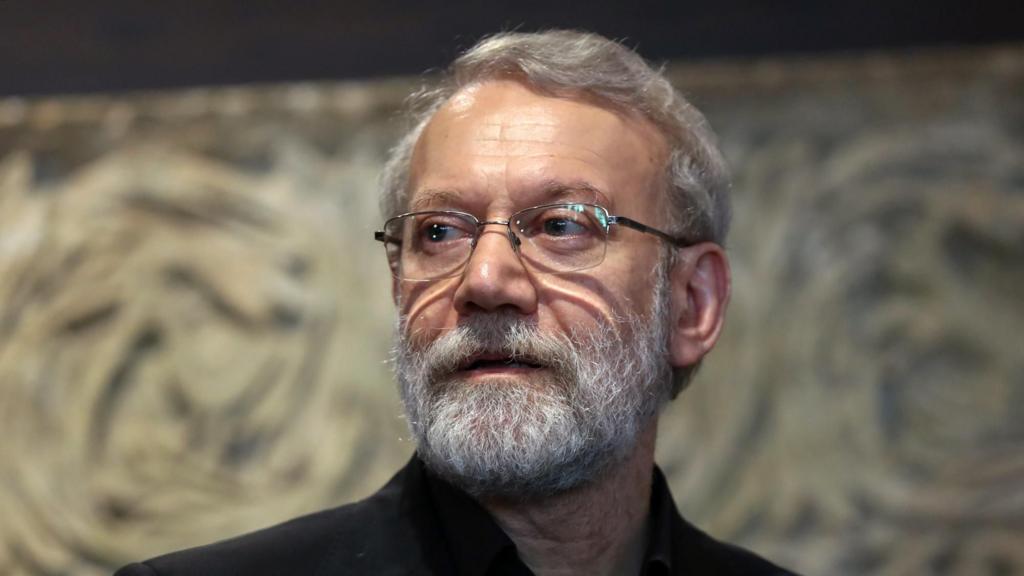
In a dramatic escalation of Middle Eastern tensions, Israel has claimed responsibility for an air strike that allegedly killed Ali Larijani, a senior Iranian security official. This operation, if confirmed, represents a significant blow to Iran's security apparatus and marks a dangerous new phase in the shadow war between the two regional adversaries.
The reported killing of Larijani, alongside the head of Iran's paramilitary Basij force, suggests a coordinated Israeli intelligence operation targeting key figures in Iran's security hierarchy. While Iranian authorities have yet to confirm these deaths, the mere allegation has sent shockwaves through the region. Such targeted killings have become increasingly common in the Middle East, reflecting a shift from conventional warfare to asymmetric operations and proxy conflicts.
This incident must be understood within the broader context of deteriorating relations between Iran and Israel. The two nations have long been engaged in a complex struggle for influence across the Middle East, supporting opposing sides in conflicts from Syria to Yemen. Israel views Iran's nuclear program and its support for militant groups like Hezbollah as existential threats, while Iran sees Israel as the primary obstacle to its regional ambitions.
The potential confirmation of Larijani's death could trigger a harsh Iranian response, possibly through its network of regional proxies or even direct retaliation. This cycle of violence risks spiraling into a wider conflict that could draw in other regional powers and potentially global actors. The international community now faces a critical moment, as diplomatic efforts to de-escalate tensions become increasingly urgent in the face of this latest provocation.