Back to home
INTERNATIONAL7 March 2026
Voices from Tehran: Iranians on Seven Days of Conflict
Ordinary Iranians share their perspectives on seven days of conflict, revealing a complex mix of anxiety, resilience, and national identity. From economic concerns to questions of sovereignty, citizens across Iran are grappling with uncertainty while maintaining daily routines.
La
La Rédaction
The Vertex
5 min read
Source: www.bbc.com
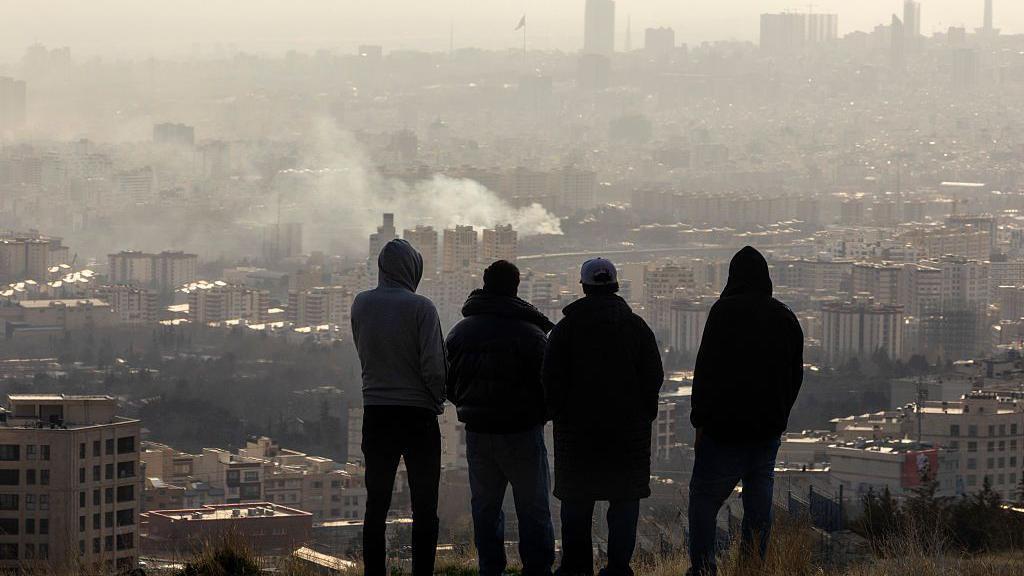
The echoes of artillery fire and the distant rumble of explosions have become an unsettling soundtrack for millions of Iranians this week. As the conflict intensifies along the country's borders, ordinary citizens are grappling with a reality that has rapidly transformed their daily lives.
From Tehran's bustling markets to the quiet streets of Isfahan, a common thread emerges in conversations: a profound sense of uncertainty mixed with resilient determination. Many express concern about the economic impact of sustained conflict, with inflation already straining household budgets. "We survived sanctions," says a shopkeeper in southern Tehran, "but this... this is different."
Yet beneath the anxiety lies a complex national psyche. For decades, Iran has positioned itself as a regional power resisting Western influence. This narrative of resistance, deeply embedded in the national consciousness, shapes how many view the current crisis. Some see the conflict as validation of their country's strategic importance, while others question whether decades of regional tensions have left Iran vulnerable.
The human cost is already mounting. Families worry about sons and daughters in the military, while others prepare for potential displacement. Medical supplies are being stockpiled, and businesses are adjusting operations to account for possible infrastructure disruptions.
What emerges from these conversations is not a monolithic perspective but a nation wrestling with its identity at a critical juncture. The coming weeks will test Iran's social cohesion and political stability in ways few anticipated just a month ago. For now, Iranians continue their daily routines, carrying with them a quiet determination to weather whatever storms may come.
This moment represents more than a military conflict—it's a crucible that may fundamentally reshape how Iranians view their place in the world and their government's ability to protect them.