Back to home
INTERNATIONAL24 March 2026
The Shattering of International Conflict Norms: Iran's War and a New Era of Warfare
The Iran conflict has shattered long-standing norms about targeting energy infrastructure, signaling a dangerous new era where civilian systems are legitimate wartime targets. This transformation reflects broader changes in global warfare and raises profound questions about the future of international conflict.
La
La Rédaction
The Vertex
5 min read
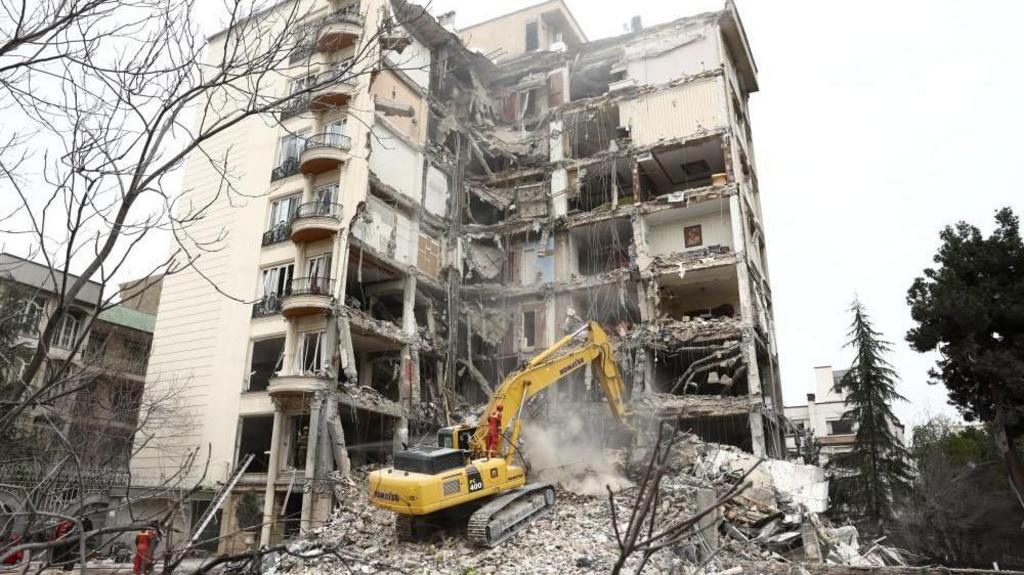
Source: www.bbc.com
The recent escalation between the United States and Iran marks a profound shift in the rules governing international conflicts. For decades, the international community operated under a set of unwritten norms that constrained warfare, particularly regarding civilian infrastructure and energy facilities. The current conflict demonstrates how these boundaries have been decisively breached, signaling a dangerous new phase in global geopolitics.
The targeting of energy infrastructure represents a strategic evolution in modern warfare. When the United States threatened Iran's oil facilities and Iran retaliated against Gulf neighbors' energy assets, both sides crossed a Rubicon that previously would have been considered unacceptable. Energy infrastructure, once considered off-limits due to its dual civilian-military importance and the catastrophic economic consequences of its destruction, has now become a legitimate target in the calculus of war.
This transformation reflects several converging factors. The increasing interdependence of global energy markets means that striking energy infrastructure creates maximum economic pressure with minimal direct casualties. Additionally, the rise of non-state actors and proxy conflicts has blurred traditional lines of responsibility and accountability. The absence of effective international enforcement mechanisms has further emboldened states to test the boundaries of acceptable conduct.
The implications extend far beyond the Persian Gulf. If energy infrastructure becomes a legitimate target, other critical civilian systems may follow. The precedent set here could normalize attacks on financial systems, telecommunications networks, or water treatment facilities. The international community now faces a stark choice: either establish new norms that reflect current realities or risk descending into a world where any civilian infrastructure is fair game in times of conflict.
This war has not just changed the Middle East; it has fundamentally altered the global understanding of what constitutes acceptable conduct in international conflicts. The old rules no longer apply, and we are left to navigate an uncertain new landscape where the boundaries of warfare continue to expand.