Back to home
ECONOMY3 April 2026
Iran's Conflict and the Ripple Effect: How India's Beverage Prices May Surge
The Iran conflict is disrupting India's beverage industry by limiting access to essential packaging materials, potentially driving up prices for bottled water and beer. This situation highlights the vulnerabilities of global supply chains and may prompt industry innovation.
La
La Rédaction
The Vertex
5 min read
Source: www.bbc.com
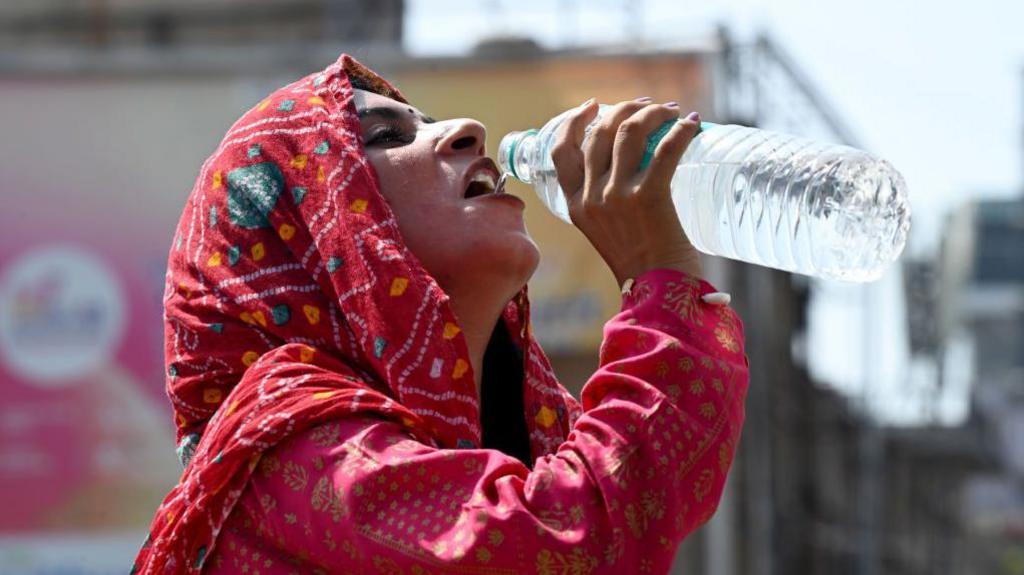
The ongoing conflict in Iran is poised to send shockwaves through India's beverage industry, particularly affecting the prices of bottled water and beer. This economic turbulence stems from disruptions in the supply chain of essential raw materials, notably plastic and glass bottles, which are crucial for packaging these products. As the war intensifies, manufacturers are grappling with limited access to these materials, leading to potential shortages and increased costs.
The situation is exacerbated by India's heavy reliance on imports for packaging materials. Iran, a significant supplier of petrochemicals used in plastic production, has seen its exports curtailed due to the conflict. This has forced Indian manufacturers to seek alternative sources, often at higher costs, which are likely to be passed on to consumers. The beer industry, in particular, is vulnerable, as glass bottles are its primary packaging choice. With glass production also affected by the scarcity of raw materials like silica sand, the industry faces a dual challenge.
This scenario underscores the interconnectedness of global supply chains and the vulnerability of emerging markets like India to geopolitical tensions. The potential price hikes could lead to a shift in consumer behavior, with individuals opting for tap water or alternative beverages. Moreover, this crisis may spur innovation within the industry, pushing companies to explore sustainable packaging solutions or diversify their supply chains to mitigate future risks. As India navigates these challenges, the broader implications for its economy and consumer market remain a critical area of focus.