Back to home
INTERNATIONAL2 March 2026
Echoes of Tehran: The Geopolitical Quake Rippling Through Iran
Recent US-Israel strikes in Iran signal a dangerous escalation in the region. The strikes risk emboldening hardliners and triggering a wider conflict, with dire economic and social consequences.
La
La Rédaction
The Vertex
5 min read
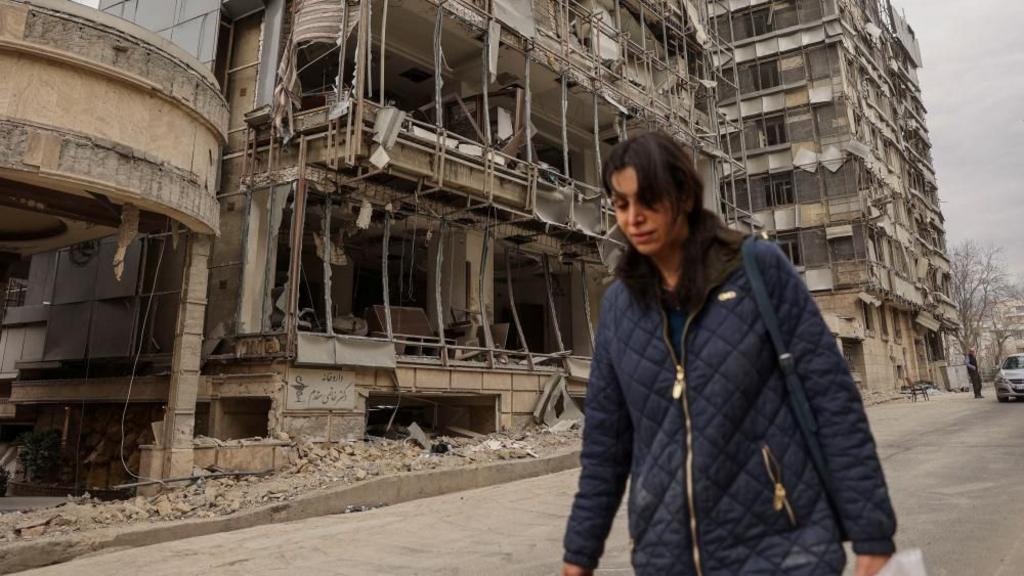
Source: www.bbc.com
The ground trembled, not just from the explosions themselves, but from the aftershocks of a geopolitical earthquake now reverberating throughout Iran. Reports emerging from Iranian citizens paint a grim picture: a landscape punctuated by the concussive force of ongoing strikes, a constant reminder of the escalating tensions between the United States, Israel, and the Islamic Republic. This is not simply a series of isolated incidents; it represents a dangerous new chapter in a long and complex history of conflict and proxy wars in the Middle East.
To understand the gravity of the current situation, one must delve into the historical context. The 1953 CIA-backed coup that overthrew the democratically elected government of Mohammad Mosaddegh remains a festering wound in the Iranian psyche. This event, coupled with decades of sanctions and perceived Western interference, has fueled a deep-seated distrust of the United States and its allies. The Iranian nuclear program, framed by Tehran as a peaceful pursuit of energy independence, is viewed by the West as a potential pathway to nuclear weapons. This fundamental disagreement forms the crux of the ongoing conflict.
The recent strikes, attributed to the US and Israel, are reportedly targeting Iranian military infrastructure and assets, potentially including sites linked to the nuclear program and drone facilities. While official statements from Washington and Jerusalem remain carefully calibrated, the intent is clear: to deter Iran from further destabilizing regional actors and supporting proxy groups such as Hezbollah in Lebanon and Hamas in Palestine. However, this strategy of containment carries significant risks. It is undeniable that these actions will further embolden hardliners within Iran, potentially undermining any prospect of de-escalation or diplomatic resolution. Instead, it risks triggering a spiral of retaliatory attacks, drawing the entire region into a wider conflagration.
The economic implications of these strikes are also significant. Iran's already struggling economy, burdened by sanctions and internal mismanagement, will likely face further hardship. The value of the rial could plummet, inflation could soar, and social unrest could intensify. This, in turn, could lead to even greater instability, creating a fertile ground for extremism and further fueling regional conflict. Beyond Iran's borders, the disruption to oil supplies could send shockwaves through the global economy, impacting energy prices and potentially triggering a recession.
Looking ahead, the prospects for a peaceful resolution appear bleak. The window for diplomacy is rapidly closing as both sides dig in their heels. Unless a significant breakthrough is achieved, the region seems destined for further escalation and conflict. The United States, Israel, and Iran are locked in a dangerous game of brinkmanship, where the stakes are incredibly high. The international community must redouble its efforts to de-escalate the situation, pushing for negotiations and a return to the principles of international law and diplomacy. Failure to do so could have catastrophic consequences, not just for the Middle East, but for the entire world. The tremors felt in Tehran are a warning sign of a much larger earthquake to come; action must be taken before it's too late.