Back to home
INTERNATIONAL18 June 2026
Why Iran Believes the U.S. Deal Leaves It Stronger Than Before
Iran claims the limited U.S. agreement has bolstered its political standing and eased economic pressure, but the arrangement is a tactical pause that may not translate into lasting strength. The real test lies ahead as internal demands rise and Washington maintains a hard line.
La
La Rédaction
The Vertex
5 min read
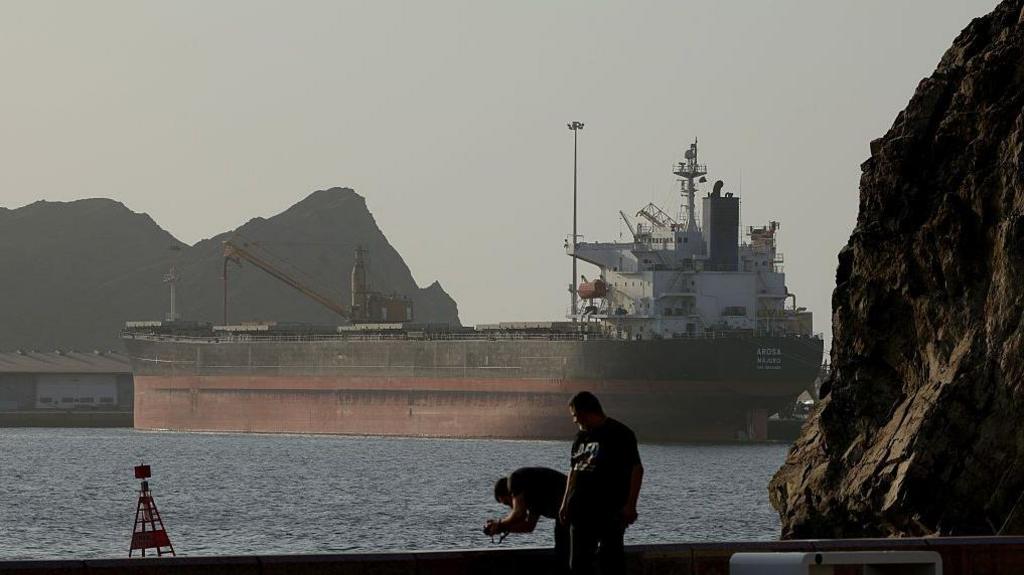
Source: www.bbc.com
In the aftermath of the first phase of the conflict that erupted after the United States withdrew from the 2015 nuclear agreement, Tehran has surprised analysts by asserting that it has emerged more resilient than anticipated. The limited diplomatic opening, framed as a “partial” easing of sanctions, has allowed the regime to re‑assert its narrative of resistance while securing modest economic reliefs that bolster its domestic legitimacy.
Politically, the leadership has leveraged the temporary reprieve to consolidate power among hard‑liners, portraying the deal as a victory that validates its confrontational stance toward Washington. Economically, the limited unfreezing of assets and the permission to sell limited oil volumes have eased fiscal pressure, yet the overall sanctions architecture remains intact, preserving Tehran’s strategic autonomy.
Contextually, the arrangement reflects a broader US strategy of maximum pressure tempered by a desire to avoid a full‑scale confrontation. Regionally, Iran’s support for proxy forces and its ballistic missile program remain untouched, suggesting that the deal is a tactical pause rather than a strategic realignment.
Looking ahead, Tehran’s next challenge will be to translate short‑term gains into sustainable development and to manage internal dissent as economic expectations rise. If the United States maintains a rigid posture, the apparent strengthening may prove illusory, and the “first chapter” could herald a more protracted and costly confrontation.