Back to home
POLITICS6 May 2026
Iran and the United States Edge Toward a 14‑Point Accord: A Fragile Path to De‑Escalation
An Iranian official has said Tehran is reviewing a U.S. fourteen‑point memorandum that could de‑escalate the region’s longest conflict, but its durability hinges on internal power balances and U.S. policy consistency.
La
La Rédaction
The Vertex
5 min read
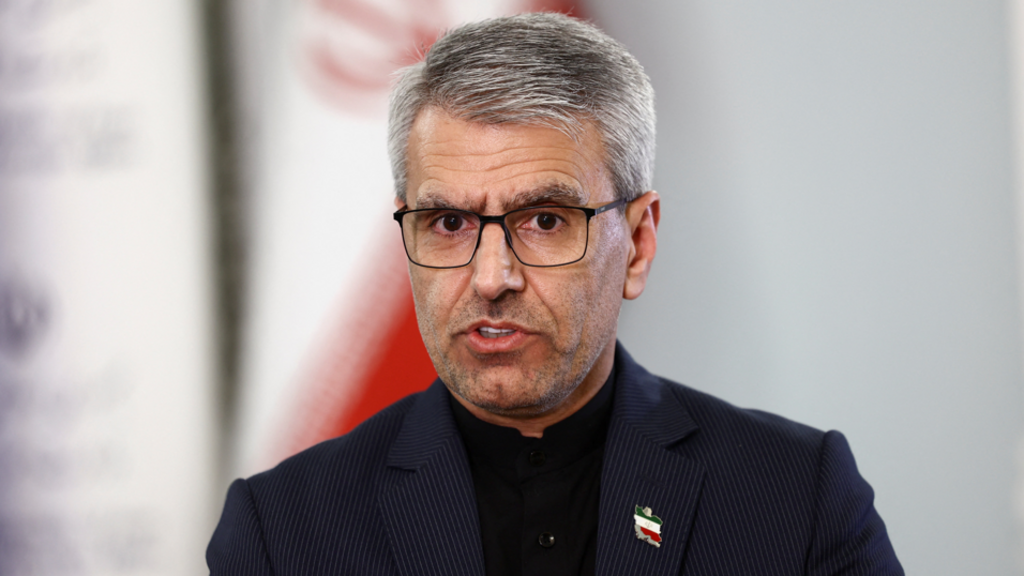
Source: www.bbc.com
A senior Iranian official has confirmed that Tehran is examining a Washington‑crafted fourteen‑point memorandum of understanding aimed at curbing the protracted conflict that has defined the Middle East for the past two years. The White House believes the outline could serve as a stepping stone toward a broader diplomatic reset, though both sides remain guarded about the durability of any agreement.
Politically, the proposal forces Iran to confront the competing demands of its Revolutionary Guard, which has entrenched its influence through proxy engagements in Yemen, Syria and Iraq, and the moderate factions seeking sanctions relief. Economically, the lifting of select sanctions could revive a stagnant economy, yet the conditional nature of the memorandum leaves Tehran vulnerable to unilateral US withdrawal, undermining domestic credibility. Socially, any perceived concession risks inflaming public sentiment against a regime already strained by inflation and limited civil liberties.
The current overture builds on the 2015 Joint Comprehensive Plan of Action, which collapsed after the United States withdrew in 2018, and follows a series of indirect talks mediated by European capitals that have sought to prevent a renewed escalation. Historical patterns show that incremental, multi‑point agreements have often served as confidence‑building measures rather than comprehensive settlements, suggesting that this document may be a tactical prelude to a larger framework.
Whether the memorandum translates into a durable de‑escalation will depend on the willingness of both parties to honor the stipulated timelines, the durability of internal Iranian power balances, and the consistency of US policy beyond the current administration. If successful, the accord could open a narrow corridor for broader negotiations on nuclear capabilities and regional security; if it falters, the conflict may resume its cycle of proxy warfare and economic pressure, reinforcing the stalemate that has defined the region for years.