Back to home
INTERNATIONAL5 March 2026
Tehran's Cross-Border Gambit: The Strategic Calculus Behind Iran's Kurdish Strikes
Iran's targeted strikes against Kurdish opposition in Iraq represent a calculated strategic move to neutralize potential internal threats and assert regional dominance amidst shifting geopolitical dynamics.
La
La Rédaction
The Vertex
5 min read
Source: www.bbc.com
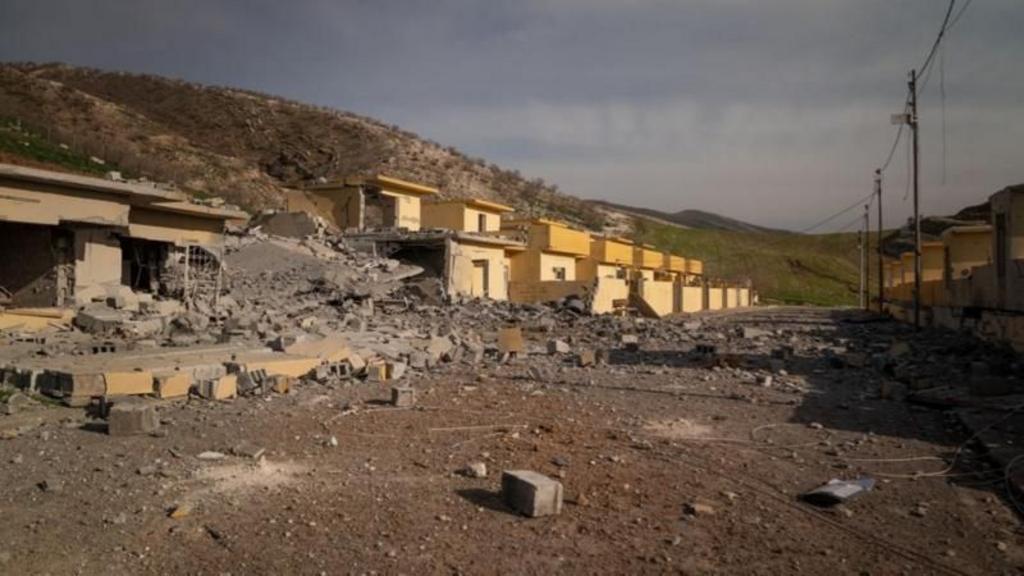
In a calculated escalation that underscores the complex interplay of regional power dynamics, Iran has launched targeted strikes against Kurdish opposition headquarters in neighboring Iraq. This military action, occurring against the backdrop of heightened tensions in the Middle East, represents more than a mere tactical maneuver—it signals Tehran's determination to preemptively neutralize potential threats to its internal stability.
The Iranian Kurdish groups, long-standing critics of the theocratic regime, have found refuge across the border, leveraging Iraq's relative autonomy to organize and potentially coordinate with external actors. Tehran's strikes, therefore, serve a dual purpose: eliminating immediate security concerns while sending a stark warning to other potential dissidents.
Regional analysts suggest these attacks are particularly significant given recent geopolitical shifts. Speculation about potential US strategic realignments—potentially encouraging Kurdish groups to challenge Iranian sovereignty—has likely accelerated Tehran's aggressive posture. The strikes are not merely retaliatory but represent a proactive assertion of Iran's regional influence.
This development highlights the fragile nature of Middle Eastern borders and the complex web of ethnic, political, and strategic interests that continuously reshape the region's geopolitical landscape. For Iraq, already grappling with internal challenges, these strikes represent another layer of external pressure on its sovereignty.
The international community now watches closely, understanding that Iran's actions could trigger broader regional destabilization, potentially drawing in multiple state and non-state actors into an increasingly volatile strategic environment.