Back to home
INTERNATIONAL18 April 2026
Hormuz Standoff: Iran's Strategic Gambit in Strait of Hormuz
Iran's closure of the Strait of Hormuz represents a dangerous escalation in US-Iran tensions, threatening global oil supplies and regional stability. The move reflects Tehran's strategy of leveraging geographic advantage amid economic pressure.
La
La Rédaction
The Vertex
5 min read
Source: www.bbc.com
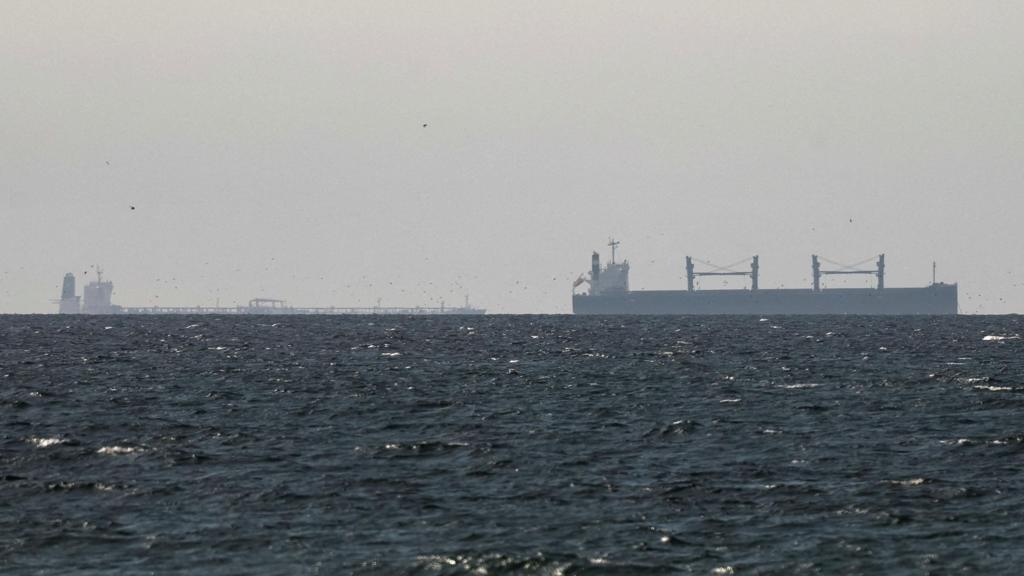
The Strait of Hormuz, the world's most vital oil chokepoint through which roughly 20% of global petroleum flows, has once again become a flashpoint in the escalating tensions between Iran and the United States. Tehran's recent closure of the strait, coupled with attacks on commercial vessels, represents a calculated escalation that could reshape Middle Eastern geopolitics.
The immediate trigger appears to be Iran's accusation that the United States has violated a fragile ceasefire agreement through what Tehran characterizes as a de facto blockade. This narrative serves multiple purposes for the Iranian regime: it justifies provocative actions to a domestic audience while attempting to position Iran as responding to American aggression on the international stage.
However, the strategic calculus runs deeper. By threatening to close Hormuz, Iran is essentially holding global energy markets hostage, leveraging its geographic advantage to extract concessions. The timing is particularly significant, coming amid renewed diplomatic isolation and crippling sanctions that have severely impacted Iran's economy.
The international community now faces a precarious dilemma. Any military response risks triggering a broader conflict that could devastate global oil supplies and trigger a recession. Yet inaction might embolden Iran to pursue increasingly aggressive tactics. The precedent set by this confrontation will likely influence regional power dynamics for years to come, potentially accelerating nuclear proliferation as neighboring states reassess their security arrangements.
As diplomatic channels strain under the weight of mutual accusations, the world watches with bated breath. The stability of global energy markets, the security architecture of the Middle East, and the credibility of international law all hang in the balance of this high-stakes standoff.