Back to home
INTERNATIONAL27 March 2026
Iranian Cyber-Attack Exposes FBI Director's Personal Data
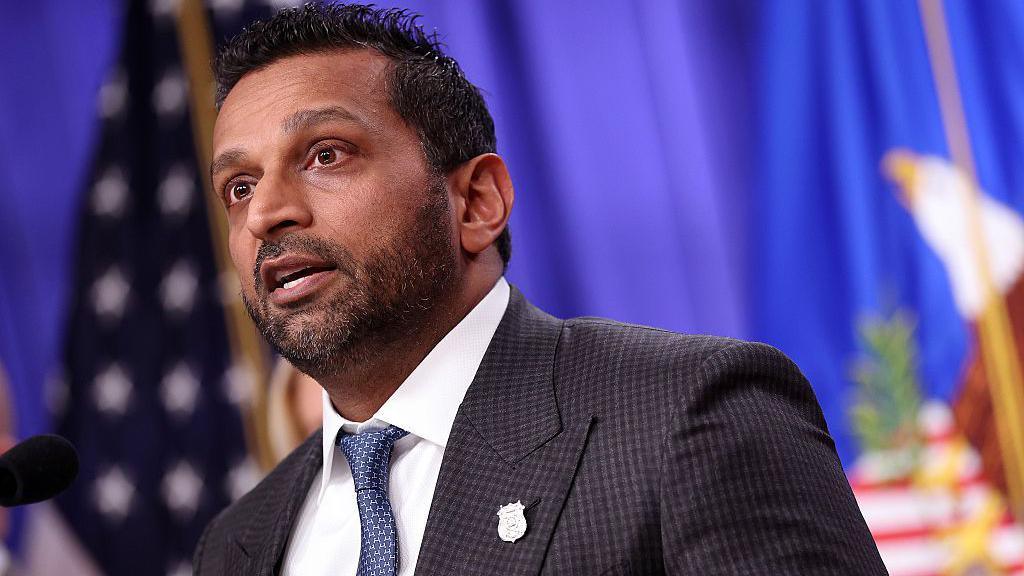
Iranian-backed hackers have breached FBI Director Kash Patel's personal emails, exposing sensitive information in what appears to be a calculated cyber-espionage operation amid escalating US-Iran tensions.
La
La Rédaction
The Vertex
5 min read
Source: www.bbc.com
In a significant escalation of cyber-espionage, an Iran-backed hacking group has breached the personal email accounts of FBI Director Kash Patel, exposing sensitive information that includes his professional resume and personal photographs. This sophisticated attack represents more than just a violation of privacy—it signals a calculated move in the ongoing shadow war between Western intelligence agencies and Iranian cyber operatives.
The timing and targeting of this breach are particularly noteworthy. Patel, who was recently confirmed as FBI Director, has been a vocal critic of Iranian influence operations and has overseen aggressive counter-espionage initiatives. The hackers' decision to publish only "historical" information—as characterized by the FBI—suggests a deliberate strategy to embarrass rather than compromise ongoing operations. This restraint indicates professional tradecraft rather than amateur mischief.
This incident must be understood within the broader context of deteriorating US-Iran relations and the increasing weaponization of cyberspace. Iranian cyber units have grown increasingly sophisticated, targeting not just government systems but also personal accounts of high-ranking officials to gather intelligence and create psychological pressure. The attack on Patel follows a pattern of similar operations against other Western officials, suggesting a coordinated campaign rather than isolated incidents.
Looking forward, this breach raises serious questions about the security protocols for top intelligence officials and the vulnerability of personal digital footprints. As cyber-espionage becomes the preferred tool for state actors unwilling to risk conventional confrontation, we can expect these attacks to become more frequent and more damaging. The real victory for Iranian hackers may not be the information obtained, but the demonstration of their ability to penetrate the digital defenses of America's top law enforcement official—a powerful psychological blow in the ongoing intelligence competition.